
Last updated October 15, 2026
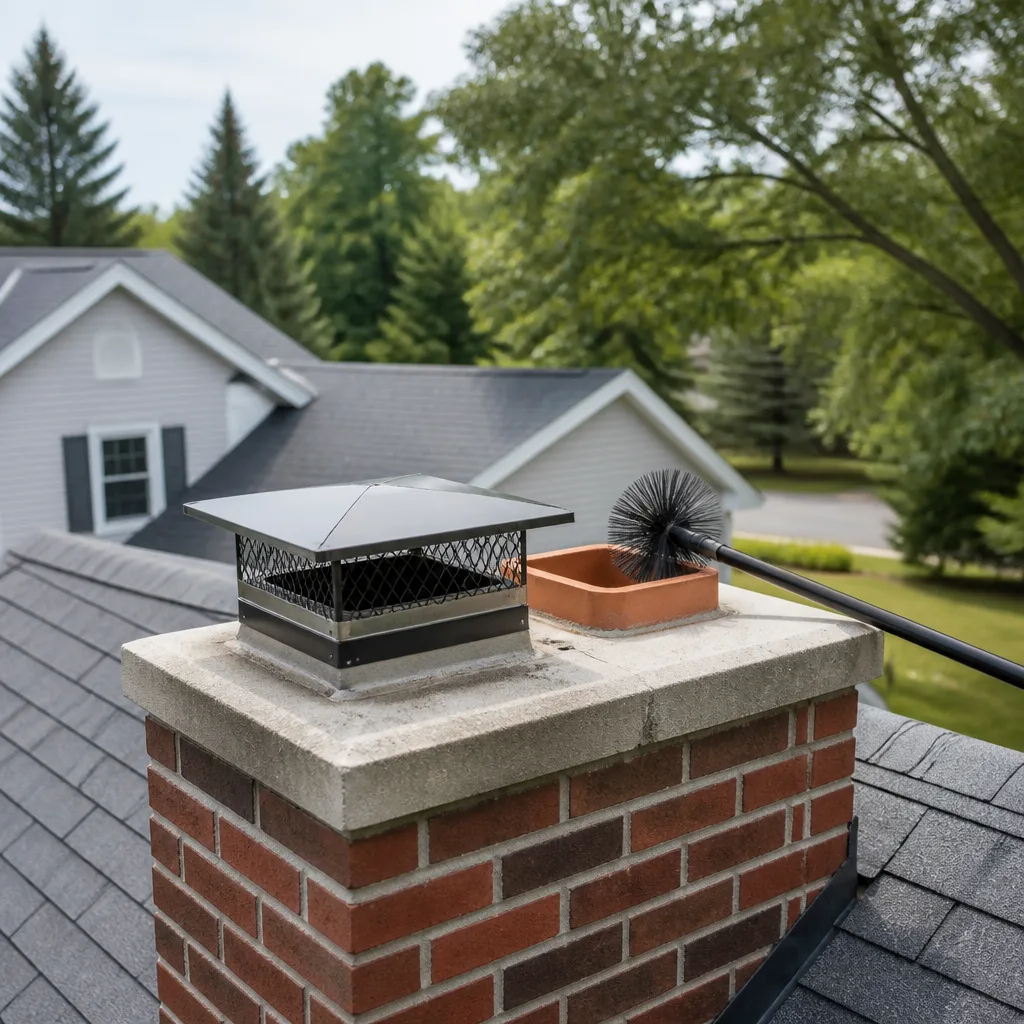 Sweep & inspection
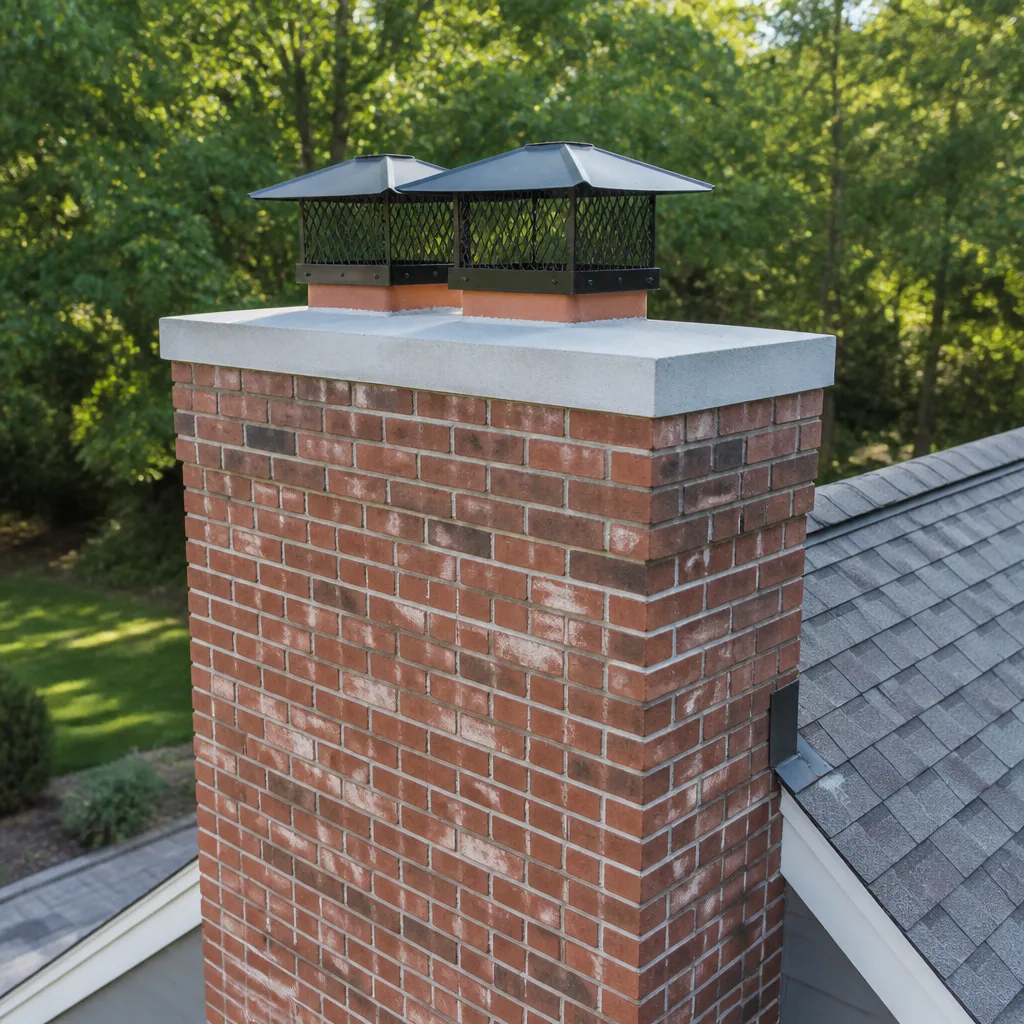 Caps & crowns
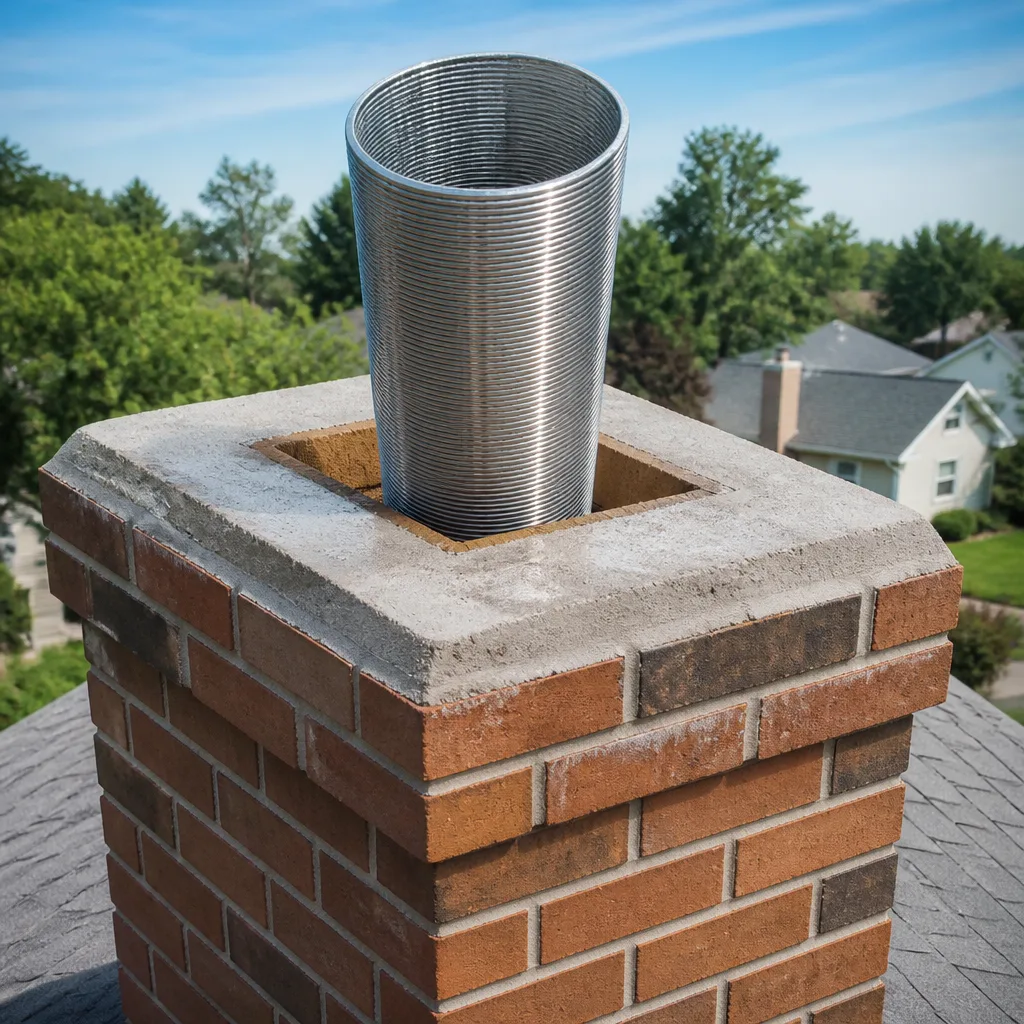 Flue relining
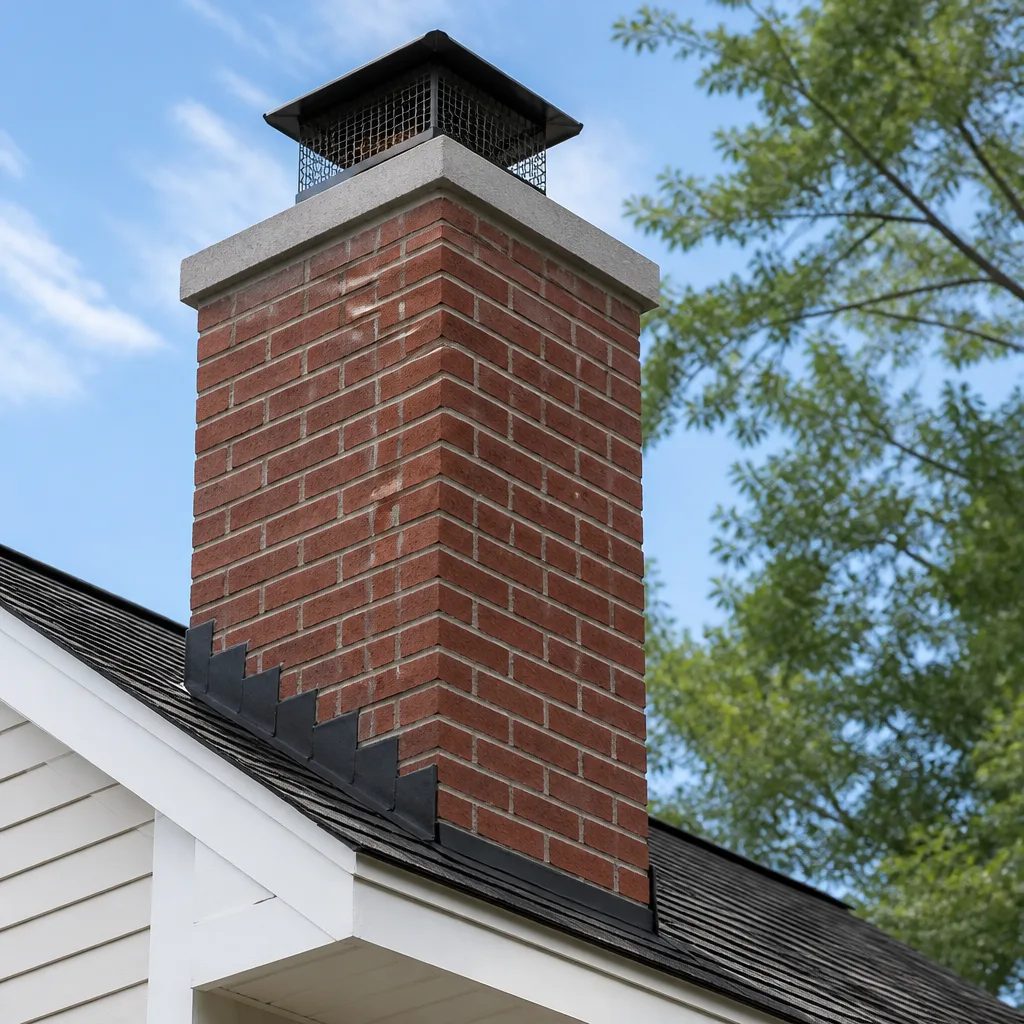 Masonry repair
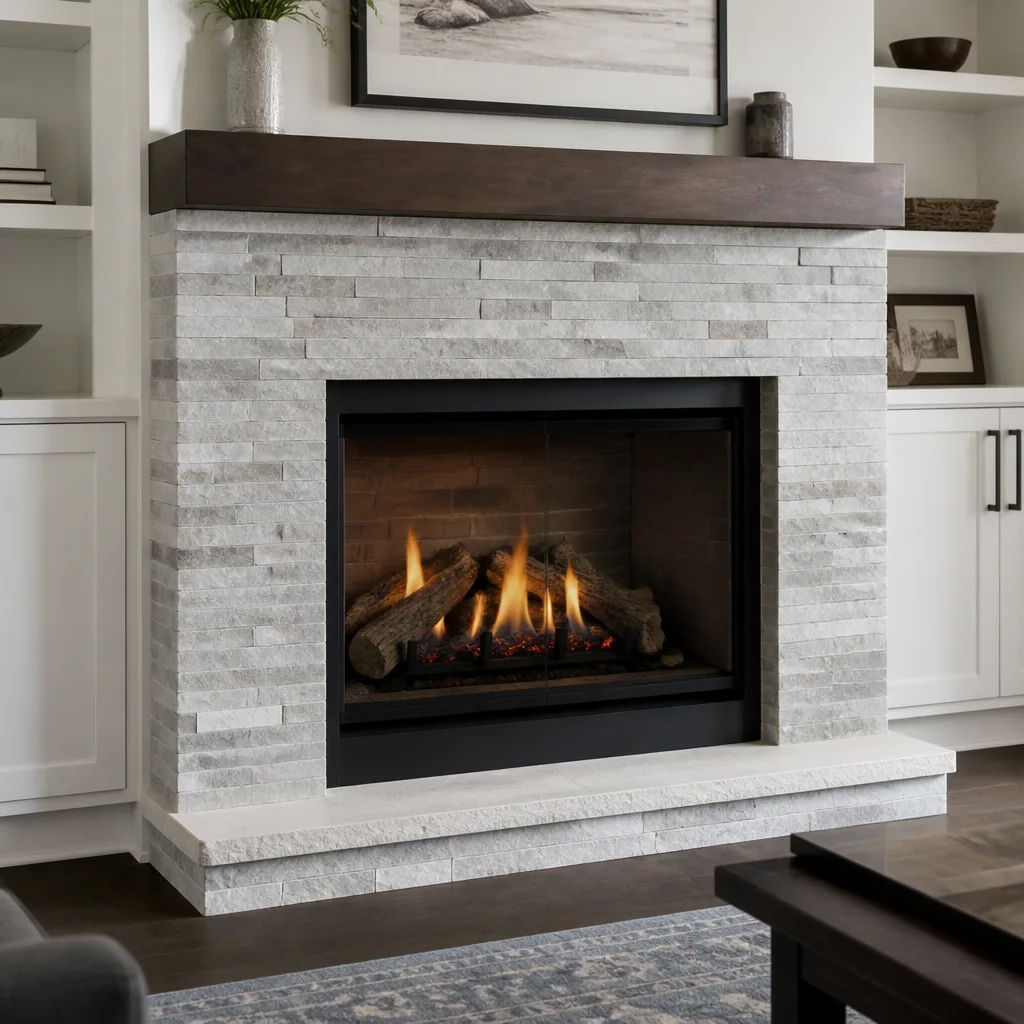 Gas fireplace service
Level 1 sweep and inspection to the NFPA 211 annual standard - flue, crown, cap, and flashing checked and photographed
Chimney sweep logs do not sweep chimneys. They loosen some creosote - which then falls where a brush and vacuum still have to collect it.
DIY vs Professional Chimney Cleaning: The Hempstead Homeowner’s Decision Guide
A chimney brush kit costs about $60 at any hardware store on Hempstead Turnpike. The problem isn’t buying it. The problem is that using it creates no paper trail, and your insurance carrier’s first question after a chimney fire is “who last cleaned this, and what documentation do you have?” This guide walks through what DIY chimney cleaning can actually accomplish, what it cannot, and why the decision in Hempstead, NY comes down to liability and proof more than skill. For more guides & resources, see our blog. By the end, you’ll know exactly when to grab a brush and when to pick up the phone.
Styles & brands we work with
Quick Answer
For most Hempstead homeowners, professional chimney cleaning is the right call because it produces a written condition report that documents the sweep for insurance and resale purposes. DIY cleaning can remove loose soot from a simple, straight flue, but it cannot access the smoke chamber, evaluate liner integrity, or produce the documentation a Nassau County insurer expects after a chimney-related claim. The one exception where DIY genuinely makes sense is wiping down the exterior of a gas fireplace, which is owner-serviceable and not an insurance trigger.
Table of Contents
- What DIY Chimney Cleaning Can Realistically Accomplish
- What DIY Cleaning Cannot Do: The Structural Blind Spots
- The Insurance Documentation Requirement in Hempstead, NY
- Straight Cost Comparison: DIY vs a Professional Sweep
- The One Scenario Where DIY Makes Sense: Gas Fireplace Exterior Wipe-Down
- What a Professional’s Written Condition Report Actually Contains
- Hempstead-Specific Factors: Climate, Housing Stock, and Code
- Common Mistakes to Avoid
- When to Call a Professional
- Frequently Asked Questions
- The Bottom Line
What DIY Chimney Cleaning Can Realistically Accomplish
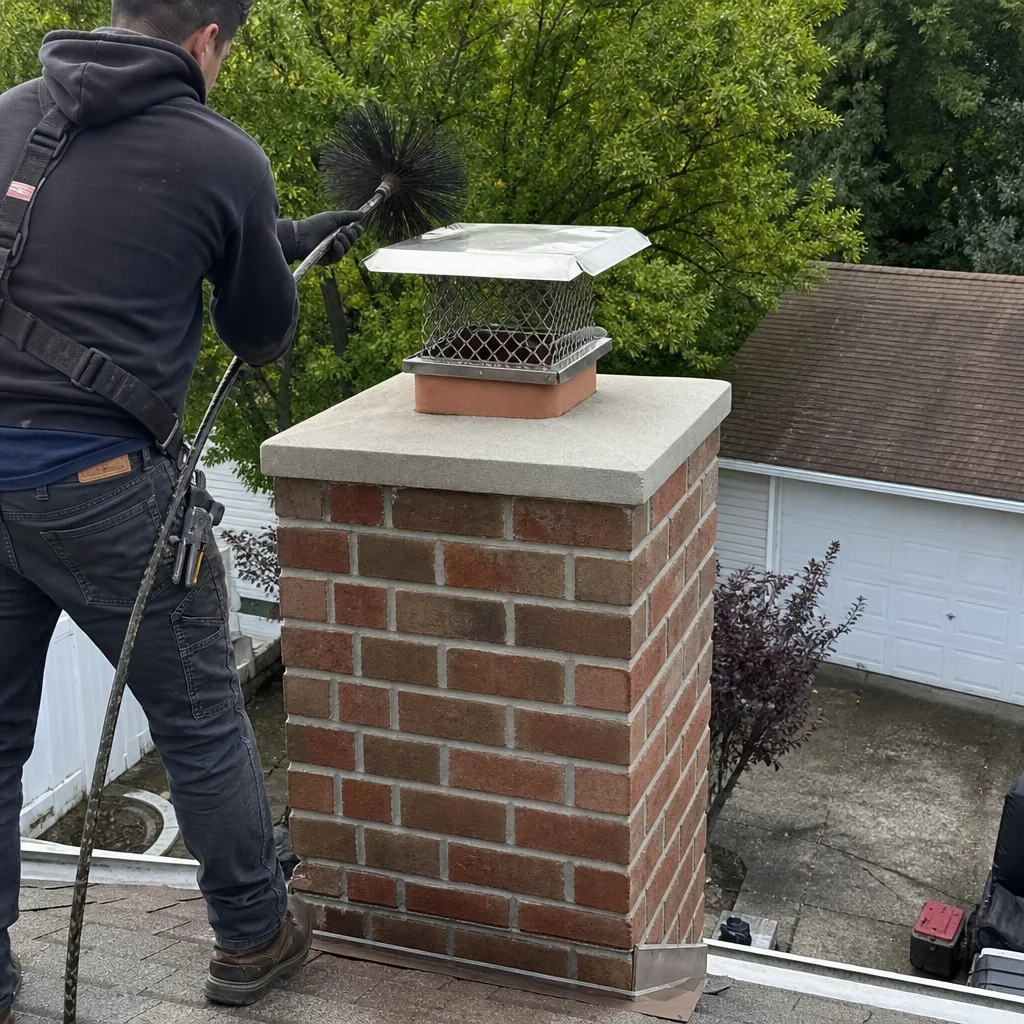
Let’s be straight about what a homeowner with a hardware store brush kit can do. If you have a simple, straight flue with a masonry chimney and you burn seasoned hardwood, you can knock loose soot off the flue walls. That’s the entire scope. A standard round wire brush on a fiberglass rod will scrape light to moderate soot deposits from the inside of a flue that runs straight up from the firebox to the chimney cap. If your home in Hempstead has a single-story chimney with no offsets, no bends, and no appliance sharing the flue, the mechanical part of the job is genuinely within a competent DIYer’s reach.
Here’s the honest list of what DIY cleaning can do:
- Remove loose soot from a straight, round, masonry flue that gets regular use.
- Clear light creosote buildup from the first 10 to 15 feet of flue above the firebox.
- Sweep ash and debris from the firebox floor and smoke shelf area that you can see and reach.
- Wipe down the exterior of a gas fireplace surround and glass front, which is routine maintenance, not a cleaning of the venting system.
But here’s the thing every honest chimney professional in Hempstead will tell you: soot removal is the easy part. Soot brushes off with a wire brush without much fight. The hard part is everything the brush doesn’t touch, and everything you can’t see while you’re on the roof or reaching up from the firebox. If your flue has a bend, an offset, or is shared by a furnace, the brush simply won’t reach all the surfaces that matter. And a brush has no way of reporting back what condition the flue is in. You clean blind. More on that in the next section.
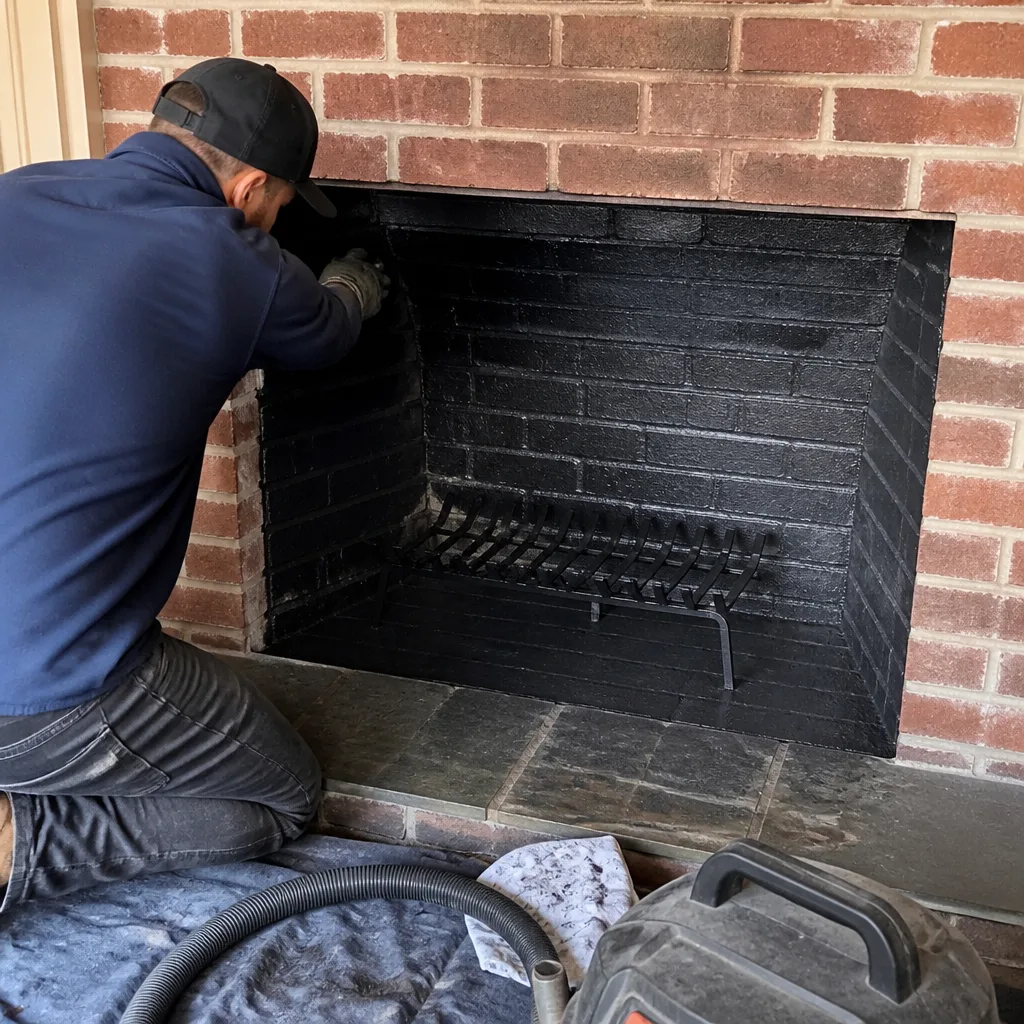
If you’re going to attempt a DIY sweep in Hempstead, you need a ladder that safely reaches your roofline, a brush sized to your exact flue diameter, drop cloths for the interior, a shop vac with a HEPA filter, and a full day of your time for a first attempt. You also need to know how to close the damper properly so you don’t dump a chimney’s worth of soot into your living room. We’ve been called to Hempstead homes after exactly that happened more times than we can count.
What DIY Cleaning Cannot Do: The Structural Blind Spots
A brush removes soot. That is the sum of its capability. What it cannot do is evaluate the chimney as a system, and that evaluation is where most of the actual risk lives. In our work across Hempstead and Nassau County, we regularly find conditions during a professional Chimney Sweep in Hempstead that a homeowner standing on the roof with a brush would never detect.
Here’s what DIY cleaning misses, every time:
- The smoke chamber. This is the inverted funnel area above the firebox and below the flue. It’s the most common place for creosote to accumulate because the smoke lingers there as it compresses on its way up. A wire brush on a rod cannot access this area from the roofline. To clean it properly, the technician works from the firebox upward with specialized tools, often after removing the damper plate. The smoke chamber is also a frequent site of hidden gaps in the masonry, known as corbeling gaps, that allow heat and gasses to escape into the house framing.
- The flue liner’s condition. A clay tile liner can crack, shift, or spall without changing the internal appearance of the flue. You cannot see a cracked liner with a flashlight from the top. It takes a camera inspection, the kind done during a professional Chimney Inspection in Hempstead, recording video of the full liner length to spot fractures, missing mortar joints, or separated tile sections. A brush tells you none of this.
- The flashing and crown. The metal flashing where the chimney meets the roofline and the concrete crown on top both fail slowly over years. Water gets in, freezes, and expands. Hempstead winters accelerate this. A DIY cleaning won’t include a close look at these areas, and a homeowner without roofing experience won’t know what to look for.
- Creosote classification. Creosote comes in three stages. Stage one is fluffy soot that brushes off freely. Stage two is granular and crusted, requiring chemical treatment or power rotary tools. Stage three is a hard, glazed, tar-like coating that no brush can remove and that represents a serious fire hazard. Most DIYers can’t tell which stage they’re looking at inside a dark flue, and if you have stage three, brushing does almost nothing anyway.
- Clearance to combustibles. Chimneys must maintain minimum distance from framing, insulation, and other flammable materials. Older Hempstead homes, particularly those built before the 1950s, often don’t meet modern clearances. A professional knows how to check this. A DIYer with a brush never will.
The pattern here matters. DIY cleaning addresses soot, which is the least dangerous thing in your chimney. The dangerous things are hidden cracks, blocked smoke chambers, failed flashing, and structural clearances, and none of these reveal themselves to a brush. When we complete a sweep, the soot removal is maybe a third of the value. The inspection and documentation are the other two-thirds.
The Insurance Documentation Requirement in Hempstead, NY
Here’s where the DIY debate changes character entirely. In New York, when a homeowner files a chimney fire claim, the insurance adjuster’s job is to find a reason to deny or reduce the payout. One of the most reliable routes to a denial is an undocumented cleaning history. Your policy almost certainly requires you to maintain the chimney in a “reasonable and prudent” manner, and after a fire, the carrier defines what reasonable means on their terms. An adjuster looks at a chimney that hasn’t been professionally serviced in five years and sees negligence you can’t disprove.
What most Nassau County homeowner policies require for chimney-related claims:
- Evidence of regular maintenance. A professional sweep’s invoice and condition report establish a dated maintenance record. A $60 brush kit receipt from 2022 establishes only that you bought a brush.
- Proof the defect wasn’t pre-existing. If the fire was caused by a cracked liner, the insurer wants to know when the crack appeared. A professional inspection from a year earlier showing a sound liner is strong evidence. No record means the adjuster assumes the crack predates the policy period, and the claim is at risk.
- Confirmation the chimney was used as intended. Burning unseasoned wood, cardboard, or construction debris contributes to rapid creosote buildup and can void coverage. A professional’s report that includes a note on proper fuel confirms you were a compliant homeowner, not a careless one.
What a DIY cleaning does and does not provide in the eyes of an adjuster:
- Does provide: anecdotal evidence that you believe you cleaned the chimney at some point.
- Does not provide: a dated, third-party condition assessment stating that the chimney was swept properly, that the liner was in good condition at the time of cleaning, that the smoke chamber was clear, and that the chimney met code. None of that exists in a DIY scenario.
Let’s put a number on it. Chimney fire claims in New York can easily exceed $30,000 in structural repair once the firebox, liner, and surrounding framing are damaged. A professional sweep in Hempstead costs between $180 and $350. If you carry a standard homeowner policy with a $1,000 to $2,500 deductible, the math is uncomfortable. A denied claim means you cover the full $30,000-plus out of pocket. The documentation gap is the single most expensive thing about DIY chimney cleaning, and it doesn’t show up on the hardware store receipt.
One more insurance angle specific to Hempstead. Homes here run the gamut from 1920s colonials in the village area to 1970s split-levels in the southern sections. Many older Hempstead homes have chimneys that predate modern liner codes. Insurers know this. Some carriers are tightening underwriting on homes with masonry chimneys and no professional service records. The practical effect: when it’s time to renew a policy or switch carriers, a home with no chimney documentation can be flagged. A stack of dated sweep reports from a certified chimney company makes the home more insurable.
Straight Cost Comparison: DIY vs a Professional Sweep
Money is the first thing people ask about, so let’s put actual numbers down. A standard chimney sweep in Hempstead typically runs $180 to $350 depending on the flue, the accessibility of the roof, and how much creosote has accumulated. See our Chimney Cleaning Cost Breakdown: The Hempstead Homeowner’s Reference for 2026 for full pricing details. That includes the soot removal, a full visual inspection, a written condition report, and disposal of the debris. Here’s the breakdown of what you’re paying for when you hire a professional in the Hempstead area:
- Sweep labor: $80 to $150, covering the actual brushing and vacuuming of the flue, firebox, and smoke chamber.
- Inspection and condition report: $40 to $80, covering the visual assessment, photos, and the written documentation you keep for insurance.
- Equipment and consumables: $30 to $60, covering professional-grade brushes, drop cloths, HEPA vacuum filters, and disposal fees.
- Access and travel: $30 to $60, covering the time to set up ladders safely on Hempstead’s varied rooflines and transport equipment to your home.
Now the DIY side, and this is where the cheap brush kit story falls apart when you add up what actually gets spent:
- Brush kit with rods: $60 to $90 at a hardware store, assuming a straight flue and the correct diameter.
- Ladder that safely reaches the roofline: $150 to $300 if you don’t already own one rated for your roof height in Hempstead’s older housing stock.
- HEPA shop vac and filter: $100 to $200 if you don’t already have one. A standard shop vac will blow fine soot back into the house, which defeats the purpose.
- Drop cloths, tarps, gloves, eye protection, dust mask: $40 to $75.
- Your time: a realistic 4 to 6 hours for a first attempt, including setup, the sweep itself, and cleanup of fine soot from every surface in the living room.
For a first-time DIYer, the out-of-pocket total lands between $200 and $500 once you buy the ladder and vacuum. After that, the marginal cost per cleaning drops to about $10 for the brush wear plus your time. So over a five-year period with an annual cleaning, a DIYer who already owns the equipment saves roughly $700 to $1,200 versus professional service. That’s real money.
But here’s what that savings calculation leaves out. The professional sweep includes condition documentation, and the DIY route leaves you holding the full liability if a hidden defect goes undetected and causes a fire. There’s also the missed-defect risk: a hairline liner crack detected early by a professional during a routine sweep might lead to a $500 patch or a $2,500 HeatShield resurfacing job before it becomes a $15,000 structural rebuild. A DIYer who never sees the crack doesn’t avoid the cost, they defer it and multiply it. The honest math is that DIY saves money only when nothing goes wrong, and chimneys are one of the few house systems where “going wrong” means fire in the walls.
The One Scenario Where DIY Makes Sense: Gas Fireplace Exterior Wipe-Down
There is exactly one chimney-related task we tell Hempstead homeowners to do themselves without hesitation: cleaning the exterior of a gas fireplace. If you have a direct-vent gas fireplace, the glass front, the surround, and the visible interior firebox floor are all owner-serviceable. This is not a chimney cleaning in any technical sense. It’s a household chore, like cleaning the oven door. Here’s the simple routine:
- Turn off the gas valve and let the unit cool completely. Never attempt any gas fireplace maintenance while the unit is warm or the pilot light is lit.
- Remove the glass front according to the manufacturer’s instructions. Most modern units have simple spring-loaded clips. Check your owner’s manual for the exact release mechanism on your model.
- Wipe down the glass with a fireplace glass cleaner, not standard window cleaner. Fireplace glass develops a micro-etched film that fireplace-specific cleaners break down without leaving streaks. Plain ammonia-based cleaners can bake onto the glass during the next fire and create permanent haze.
- Lightly vacuum the firebox floor and the visible ceramic log set, if you have one. Use a soft brush attachment and avoid touching the logs with anything that could chip the ceramic finish.
- Reassemble the glass and run a quick visual check. Look for any cracks in the glass or gaps in the seal. If you see cracks, stop using the unit and call a professional before the next burn.
Why is this the exception? Because a direct-vent gas fireplace doesn’t produce creosote, doesn’t have a masonry flue that accumulates dangerous buildup, and isn’t the focal point of chimney fire claims in the same way wood-burning systems are. The venting for gas units should be inspected periodically for blockage and corrosion, but that’s an inspection task, not a cleaning task. When we talk to Hempstead homeowners about gas fireplaces, the message is simple: wipe the glass yourself, call us for the venting inspection every two to three years, and don’t let anyone tell you a gas fireplace doesn’t need any professional attention at all. Blocked venting on a gas unit can create a carbon monoxide hazard, which is exactly the kind of invisible risk a professional inspection exists to catch.
What a Professional’s Written Condition Report Actually Contains
If the insurance documentation requirement is the strongest argument for professional cleaning, the condition report is the document that does the heavy lifting. Here’s what you should expect to receive after a professional sweep in Hempstead, and what each section is worth when the document matters.
A standard condition report from a certified chimney sweep includes:
- Date of service and technician name. The foundation of the paper trail. If a claim arises, the adjuster can verify the service with the company.
- Flue description and dimensions. The liner material, internal diameter, and total flue length. This tells you and any future buyer exactly what the chimney is built from.
- Creosote classification before and after cleaning. Stage one, two, or three, documented before the sweep and after. If stage three creosote was present, the report notes it, which matters for both fire risk and future maintenance planning.
- Liner condition notes. Any cracks, spalling, missing mortar joints, or separation observed during the sweep. If a video scan was performed, the report references the footage.
- Smoke chamber condition. Notes on the chamber’s integrity, any gaps found, and whether the area was successfully cleaned or remains partially inaccessible.
- Flashing, crown, and cap condition. What the technician observed from the roofline, including water damage indicators, missing caulking, or loose components.
- Recommendations, if any. Specific repair recommendations with a short rationale for each. If no repairs are needed, the report says so plainly. That’s valuable too, because it confirms a clean bill of health on a specific date.
- Photos. A good report includes camera photos of the firebox, flue, and cap. These are worth keeping with the report, particularly if you’re selling the home and want to show the chimney was professionally maintained.
That document has value in three specific situations. First, insurance claims, which we’ve already covered. Second, resale. When a Hempstead home goes under contract, buyers increasingly ask for chimney inspection records. A folder of dated sweep reports with clean condition notes smooths the transaction. A missing history raises questions, and questions in a real estate deal become price concessions. Third, insurance underwriting at policy origination. If you’re buying a home in Hempstead and the insurer asks about wood-burning appliance maintenance, the previous owner’s sweep reports are the difference between standard underwriting and a follow-up inspection requirement.
A DIY cleaning produces none of this. You could write yourself a note that says “cleaned the chimney on October 15th,” and it carries roughly the same evidentiary weight as a sticky note on the fridge. The value isn’t in the cleaning, it’s in the third-party verification that the chimney was cleaned, inspected, and found sound on a specific date.
Hempstead-Specific Factors: Climate, Housing Stock, and Code
Hempstead sits in a climate zone that punishes chimneys. The freeze-thaw cycle here, with winter temperatures regularly dipping below freezing at night and rising above it in the day, works on masonry year after year. Water gets into the crown’s micro-cracks, freezes, and expands. Over a decade or two, those micro-cracks become structural openings. This is why Hempstead chimneys tend to fail from the top down, and why a roof-level inspection is non-negotiable during any professional cleaning.
The housing stock matters too. Hempstead is one of the older communities in Nassau County, with a significant share of homes built between 1920 and 1960. These chimneys were built for coal and converted to oil, then possibly to gas or wood. The liner systems in these older homes are often original clay tile, which has a design life of 50 to 60 years in a freeze-thaw climate. Many of those original liners in Hempstead are now past their intended service life, and a significant portion of the professional sweeps we perform reveal at least minor liner deterioration in pre-1960 homes. That’s not an upsell, it’s a pattern we’ve documented across hundreds of Hempstead chimneys.
There’s also a code reality worth understanding. Nassau County enforces the New York State Residential Code, and when a chimney is modified, relined, or rebuilt, the work requires a permit and inspection. A homeowner who does a DIY inspection and misses a liner crack isn’t violating code by not finding it. But if that cracked liner is later discovered during a renovation and the chimney has been in use since the crack likely formed, the homeowner can find themselves facing enforcement pressure to bring the chimney up to current code before the renovation proceeds. A professional’s report that documents liner condition creates a baseline that protects you in exactly this scenario.
Finally, a practical note on scheduling in Hempstead. The responsible window for a professional cleaning is spring through early fall, after the burning season ends and before the next one begins. Hempstead homeowners who call in late September or October are competing with everyone else who had the same idea, and fall is also when chimney companies are busiest with repair work uncovered during winter. Booking a sweep in May or June is the most efficient approach. The company gets the off-season scheduling, you get the chimney ready months before it’s needed, and the condition report is dated well before any insurance or resale event.
Common Mistakes to Avoid
- Assuming a brush purchase equals a cleaning. Buying a $60 kit and letting it sit in the garage for three seasons provides no maintenance benefit and no documentation. Either use it properly, on schedule, or don’t buy it.
- Using a shop vac without a HEPA filter indoors. A standard shop vac exhausts fine soot particles into the air, coating Hempstead living rooms in a layer of black dust that’s worse than leaving the chimney alone. It also redistributes creosote particles throughout the house.
- Brushing a flue that has stage three creosote. Hard, glazed creosote doesn’t respond to wire brushing. A DIYer who brushes stage three creosote and thinks the chimney is clean is actually creating a false sense of security while the real hazard remains untouched.
- Skipping the roof inspection while you’re up there. If you’re going to the trouble of a DIY sweep, the roof-level view of the flashing and crown is half the value. Most DIYers focus entirely on the brush and never look at the masonry that’s failing around them.
- Cleaning a chimney that hasn’t been used in years without an inspection first. An unused chimney can become a home for birds, squirrels, and raccoons in Hempstead’s older neighborhoods. Debris and nesting material don’t brush out cleanly, and forcing it down the flue can create a blockage. Any chimney that’s been dormant for more than two seasons needs a professional look before any cleaning is attempted.
- Treating a gas fireplace like a wood-burning fireplace. Gas fireplaces don’t need brushing, and the misapplication of a wire brush to a vented gas log set damages the appliance. The DIY maintenance for gas is a glass wipe and a firebox vacuum, nothing else.
- Thinking the chimney only needs attention when it’s in use. Water damage, animal entry, and structural degradation continue year-round whether you burn fires or not. Hempstead’s freeze-thaw cycles are working on your chimney in February even if the fireplace sits cold all winter.
When to Call a Professional
You should call a professional when the flue has bends or offsets, when the chimney hasn’t been cleaned in three or more years, when you see white staining on the exterior masonry, when you smell smoke in the house after the fire is out, when animals have been heard in the chimney, or when you’re preparing to sell your Hempstead home. Not sure where to start? Read How to Hire a Chimney Cleaning Contractor in Hempstead: A Step-by-Step Guide. More broadly, any chimney serving a wood-burning appliance deserves a professional cleaning at least annually, and any chimney you can’t safely access from the roofline deserves professional attention for that reason alone. A roof-level sweep on a two-story Hempstead colonial with a steep pitch is not a reasonable DIY task for most homeowners, regardless of how confident they feel on a ladder. Flint Chimney Co Hempstead offers free estimates in Hempstead, covering chimney cleaning, inspection, and repair. Call (516) 559-6922 to book a sweep or to ask about a specific chimney concern.
Frequently Asked Questions
A standard professional chimney sweep in Hempstead typically costs between $180 and $350, depending on flue accessibility, the extent of creosote buildup, and whether additional inspections are needed. That price includes the sweep itself, a visual inspection of accessible chimney components, and a written condition report. Call (516) 559-6922 for an exact quote based on your home’s chimney.
A wood-burning chimney should be professionally cleaned at least once per year if you burn regularly during the heating season, and more often if you burn unseasoned wood or the chimney shows signs of rapid creosote accumulation. The National Fire Protection Association standard, which Nassau County insurers reference, is that chimneys be cleaned when creosote reaches 1/8 inch of buildup, which for most active burners happens annually. A gas fireplace venting system should be inspected every two to three years.
Your homeowner’s insurance carrier cares because chimney fires are one of the most common preventable house fire causes in New York, and an undocumented cleaning history gives the adjuster grounds to deny a claim based on lack of reasonable maintenance. Professional sweep reports establish a dated, third-party maintenance record that supports your claim. A DIY cleaning, however competently performed, creates no such record.
You can physically clean a straight, simple masonry flue if you have the right equipment and are comfortable working from the roofline, but the cleaning is only part of what a professional service provides. The inspection, evaluation of the liner and smoke chamber, and written documentation are the parts you can’t replicate, and those are the parts that matter for insurance and resale value in Hempstead.
A cleaning removes soot and creosote from accessible surfaces. An inspection evaluates the structural condition of the liner, smoke chamber, flashing, crown, and clearances, and is the part of a professional visit that catches hidden defects. A proper professional sweep in Hempstead includes both, which is why the written report carries weight with insurers. A more detailed camera inspection is available through our Chimney Inspection in Hempstead service when specific concerns warrant it.
A gas fireplace does not produce creosote and does not need brushing, but its venting system should be inspected periodically for blockages, corrosion, and proper draft, since a blocked gas vent can create a carbon monoxide hazard inside the home. The exterior glass and firebox of a gas fireplace are owner-serviceable wipe downs. The venting inspection is a professional task, typically needed every two to three years in Hempstead.
Creosote accumulates in stages, and after several years of regular wood burning, a chimney in Hempstead can develop stage two or stage three creosote, the latter of which is a hard, glazed coating that represents a serious chimney fire risk and cannot be removed by standard brushing. Beyond the fire risk, an unmaintained chimney is more likely to have hidden liner damage from Hempstead’s freeze-thaw cycles, and the lack of documented maintenance weakens your position in any future insurance claim.
The Bottom Line
The DIY versus professional chimney cleaning decision in Hempstead comes down to what you’re actually buying. A brush kit buys soot removal. A professional sweep buys soot removal plus a documented condition assessment, an insurance-grade paper trail, and early detection of defects that would otherwise grow into five-figure repairs. For gas fireplace exteriors, DIY is genuinely appropriate, and we tell homeowners that directly. For wood-burning chimneys, the math favors professional service every year, and the insurance documentation requirement in Nassau County makes the professional route the only defensible one. If you have questions about your specific chimney or want a straight answer on what needs attention, call Flint Chimney Co Hempstead at (516) 559-6922. We’ll give you a written price before any work starts, and we won’t recommend a repair you can’t verify with your own eyes.
Written by Hank Delano, Owner at Flint Chimney Co Hempstead, serving Hempstead since 2002.
See the difference
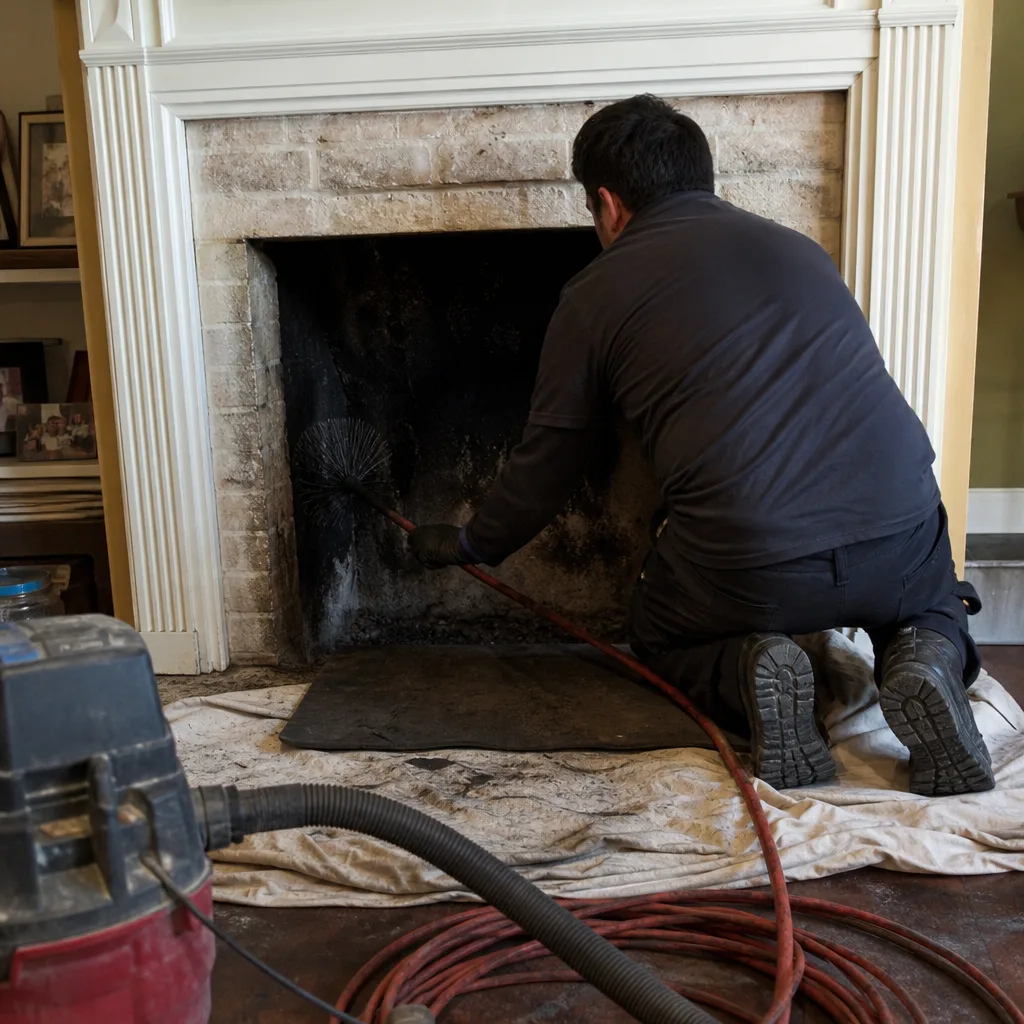 Before
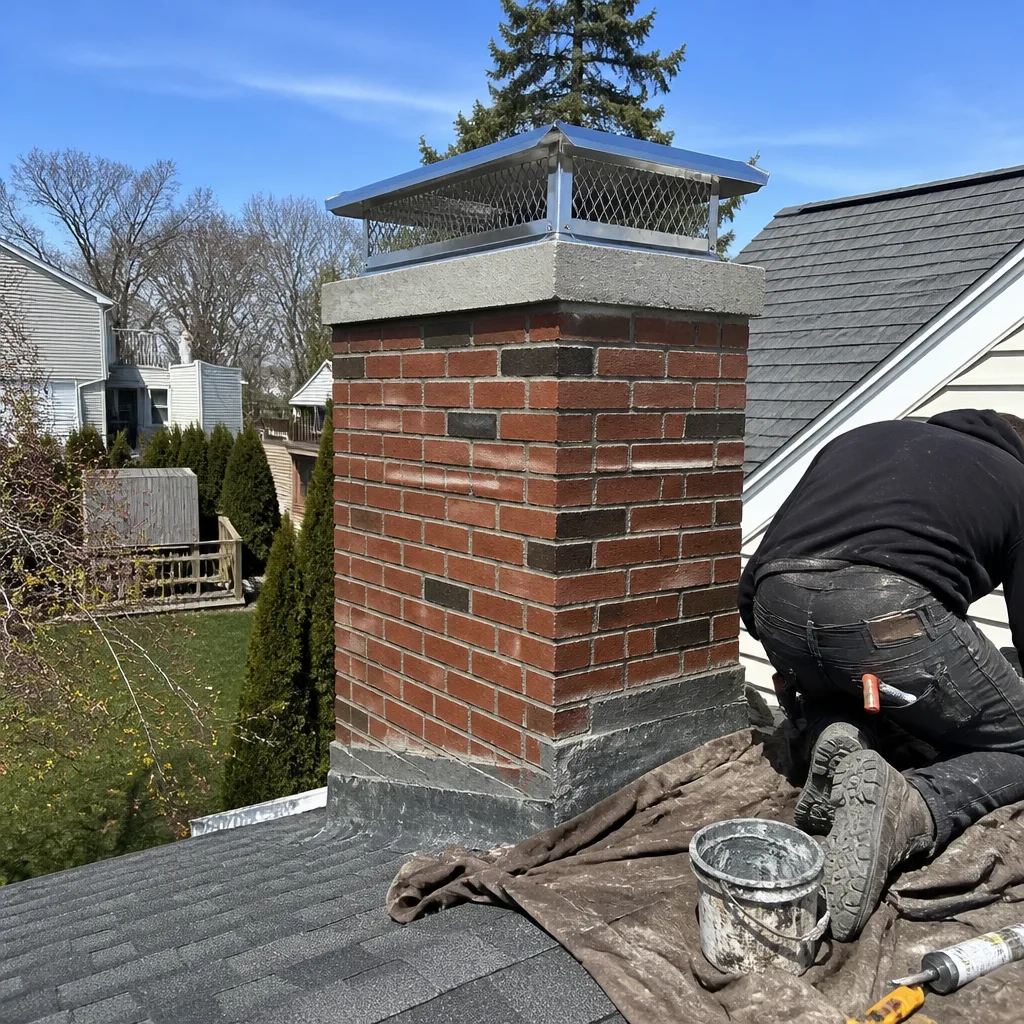 After
After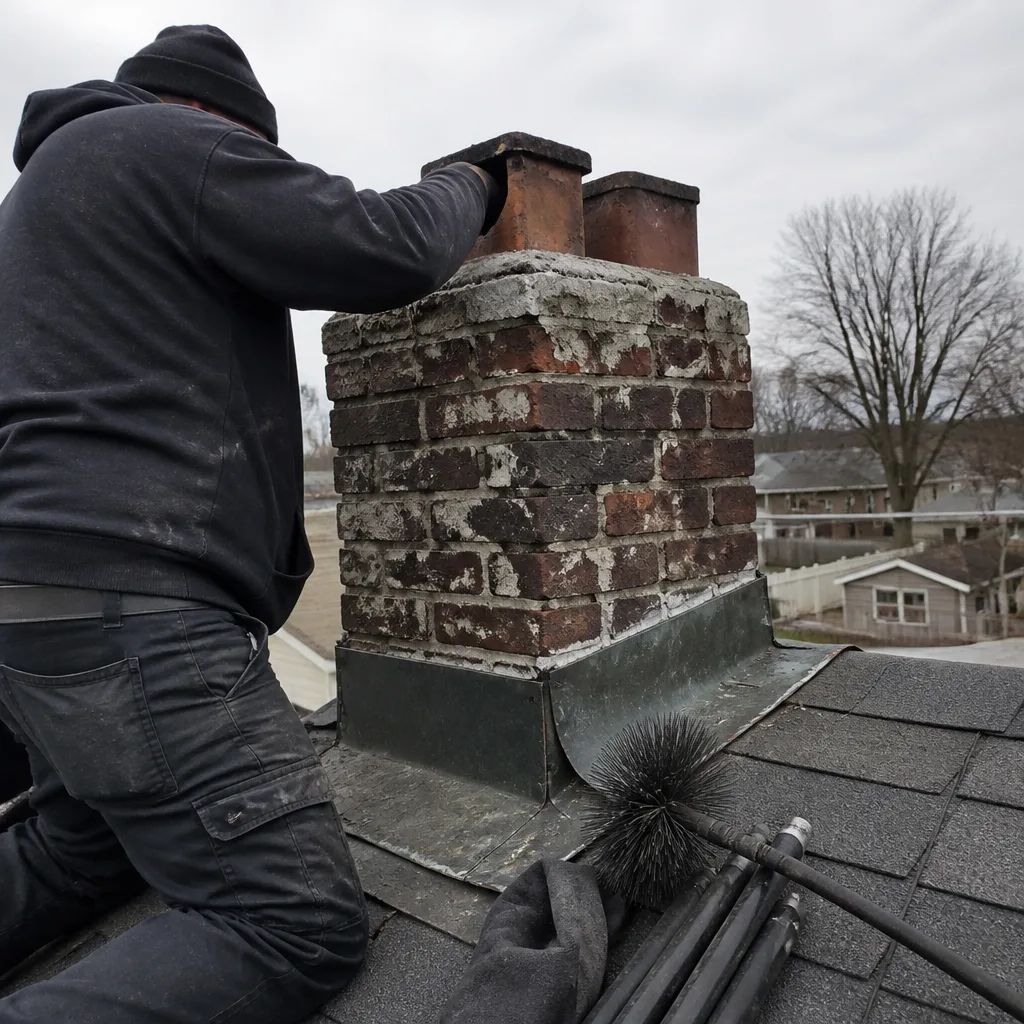 Before
 After
After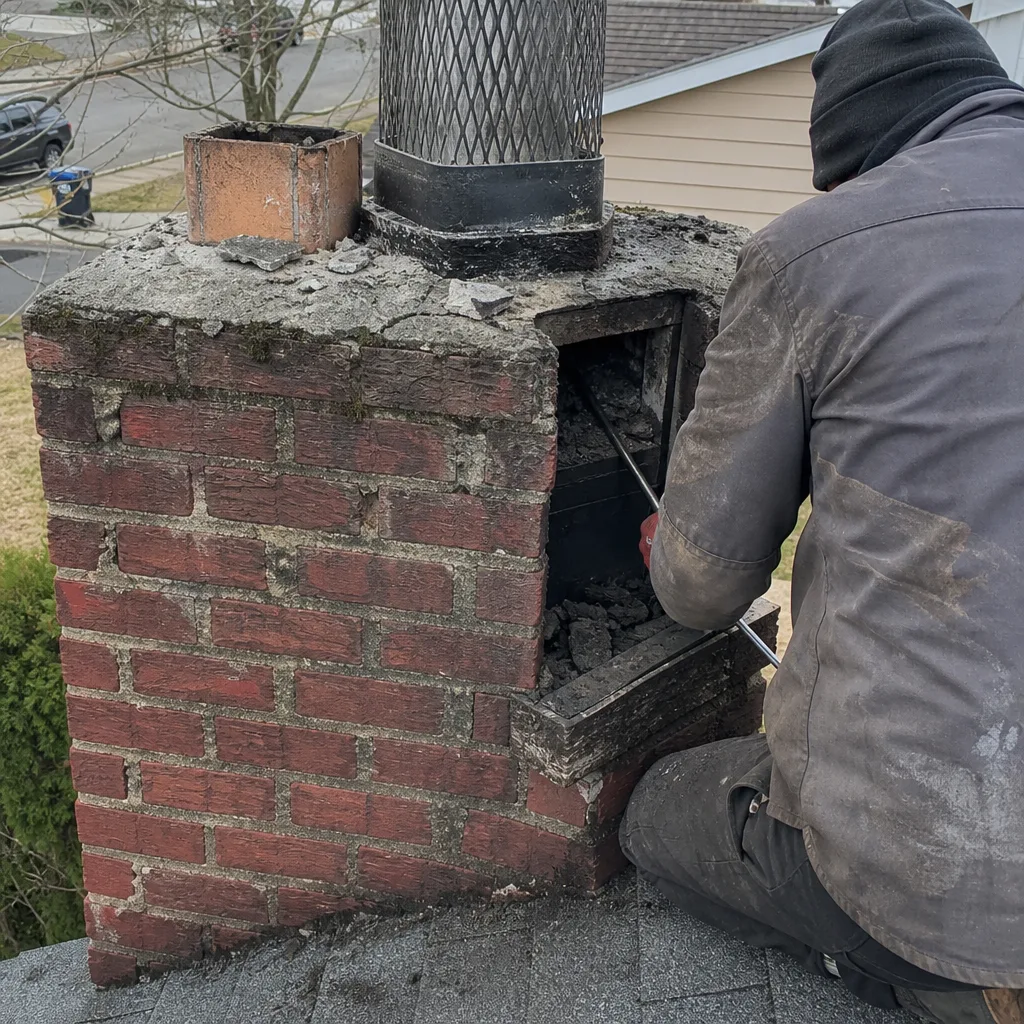 Before
 After
After