
Last updated October 15, 2026
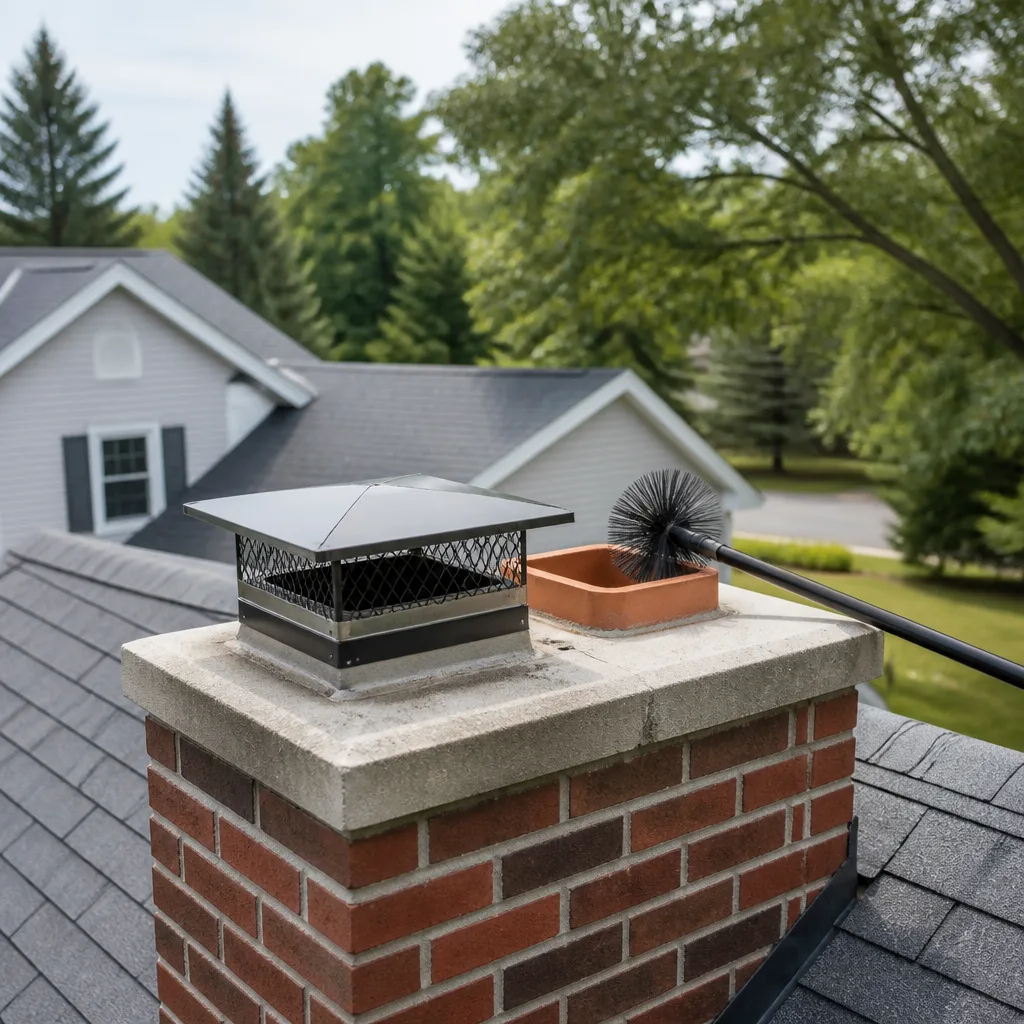 Sweep & inspection
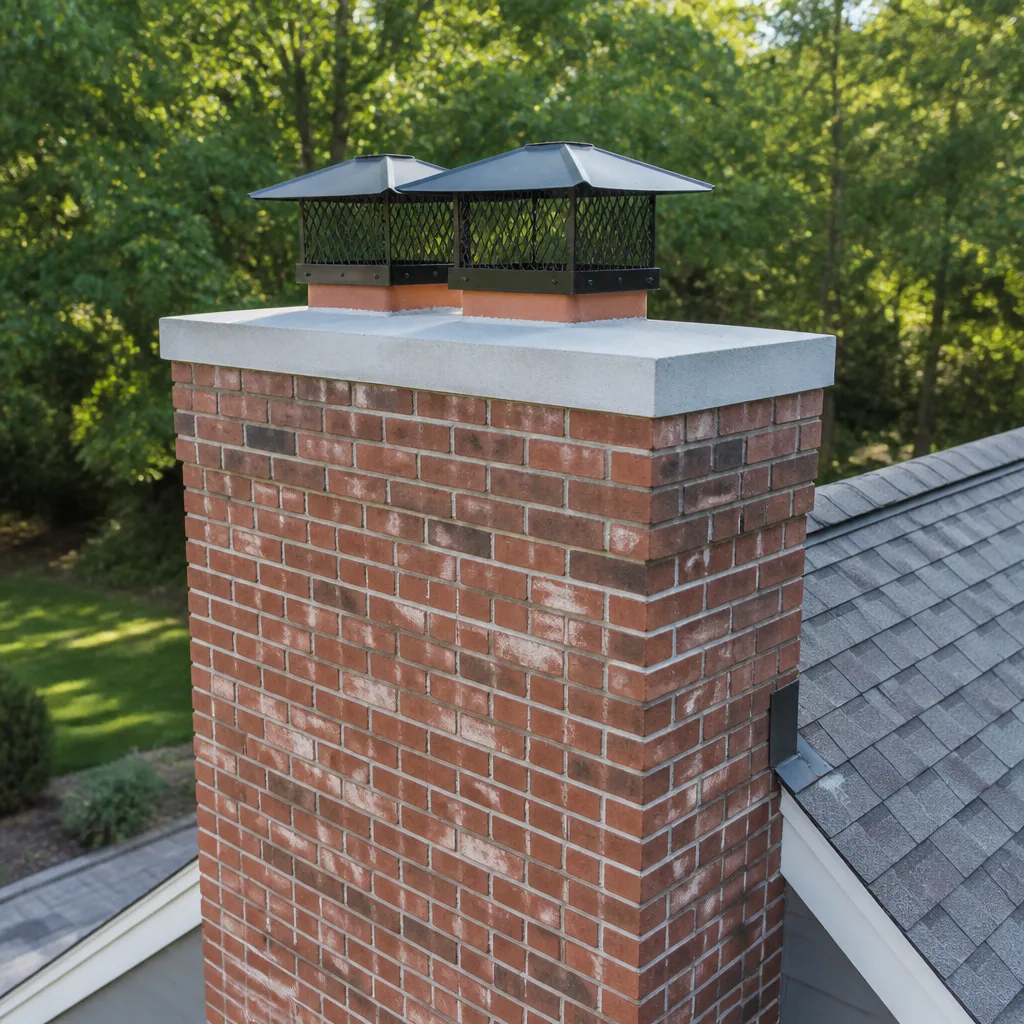 Caps & crowns
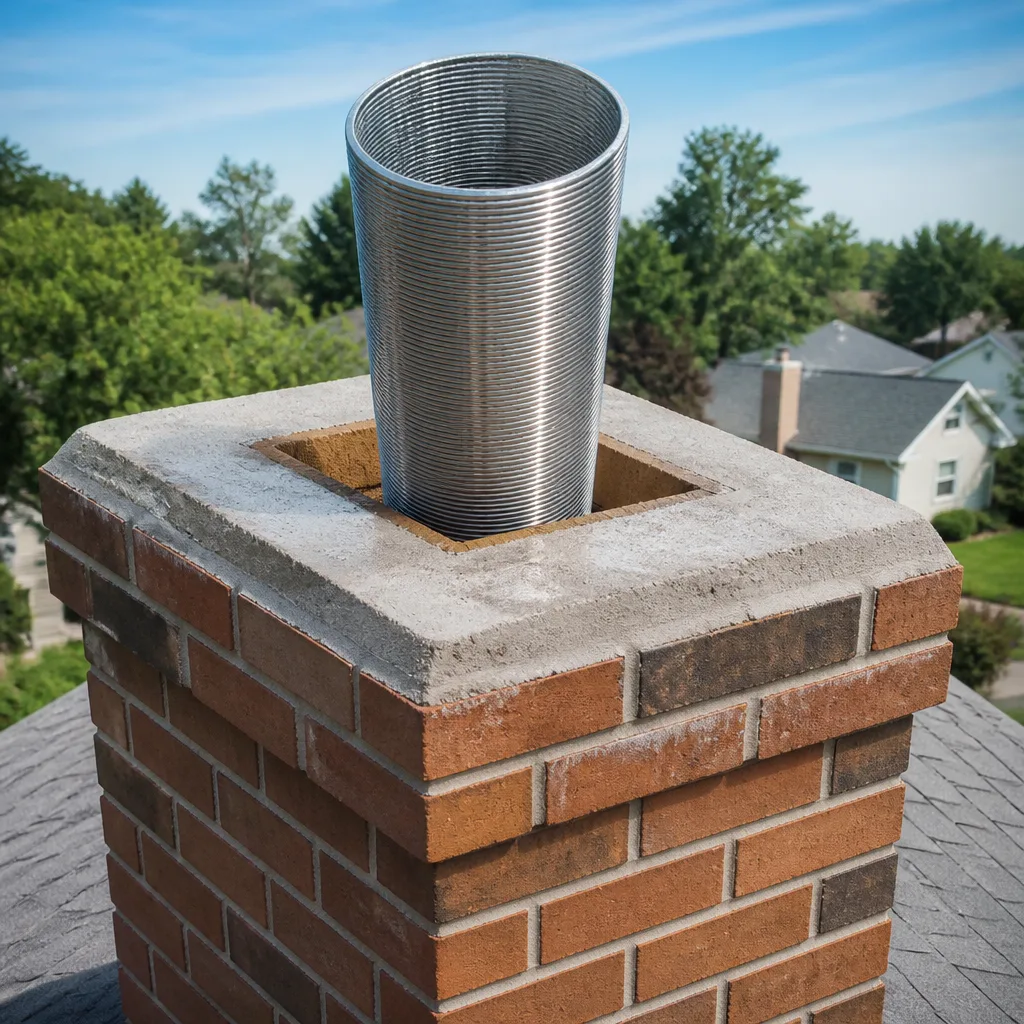 Flue relining
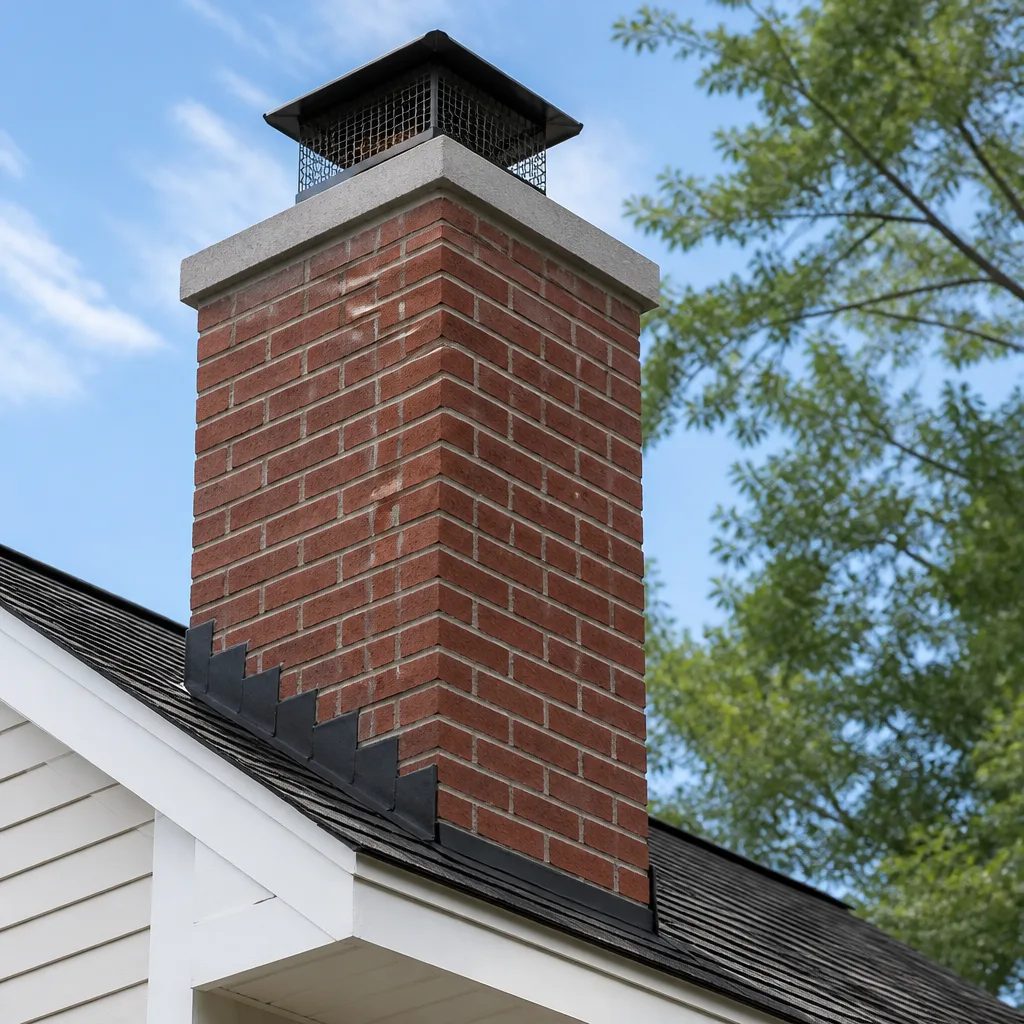 Masonry repair
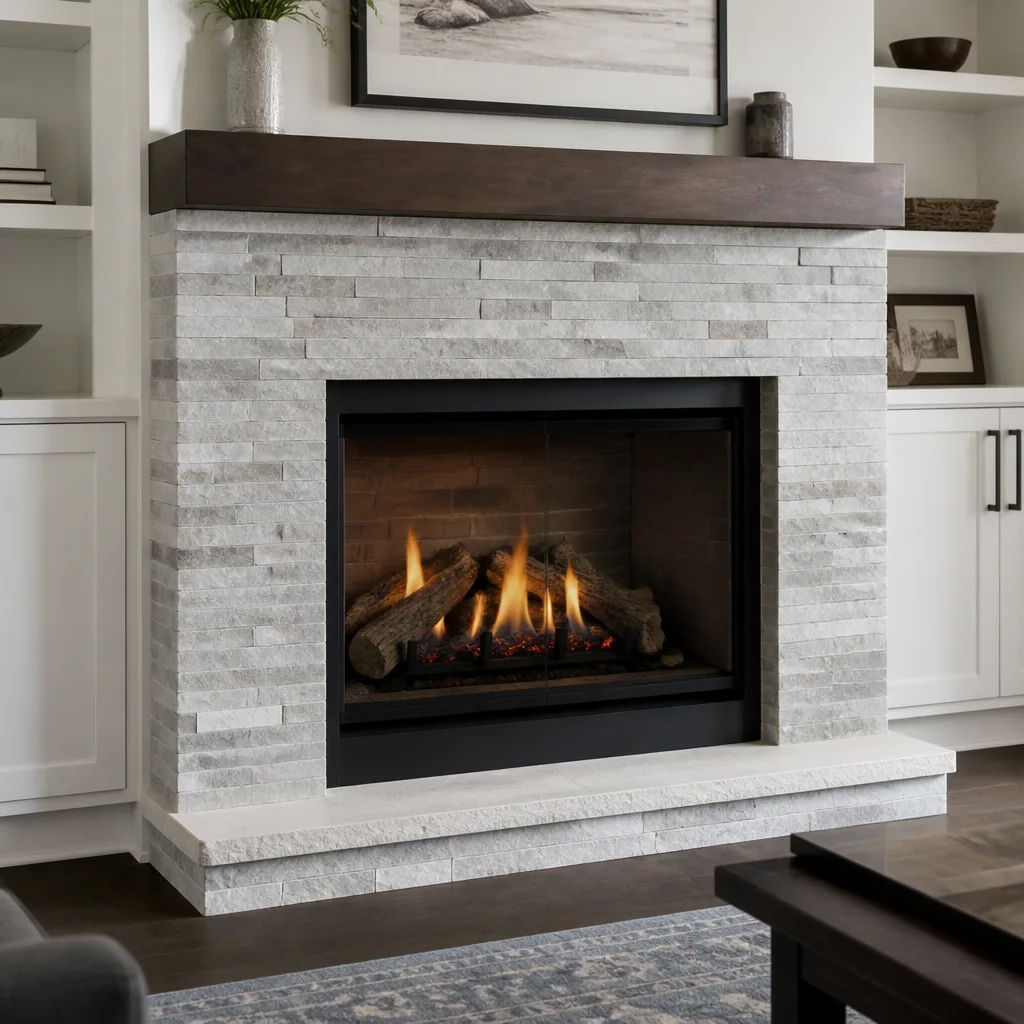 Gas fireplace service
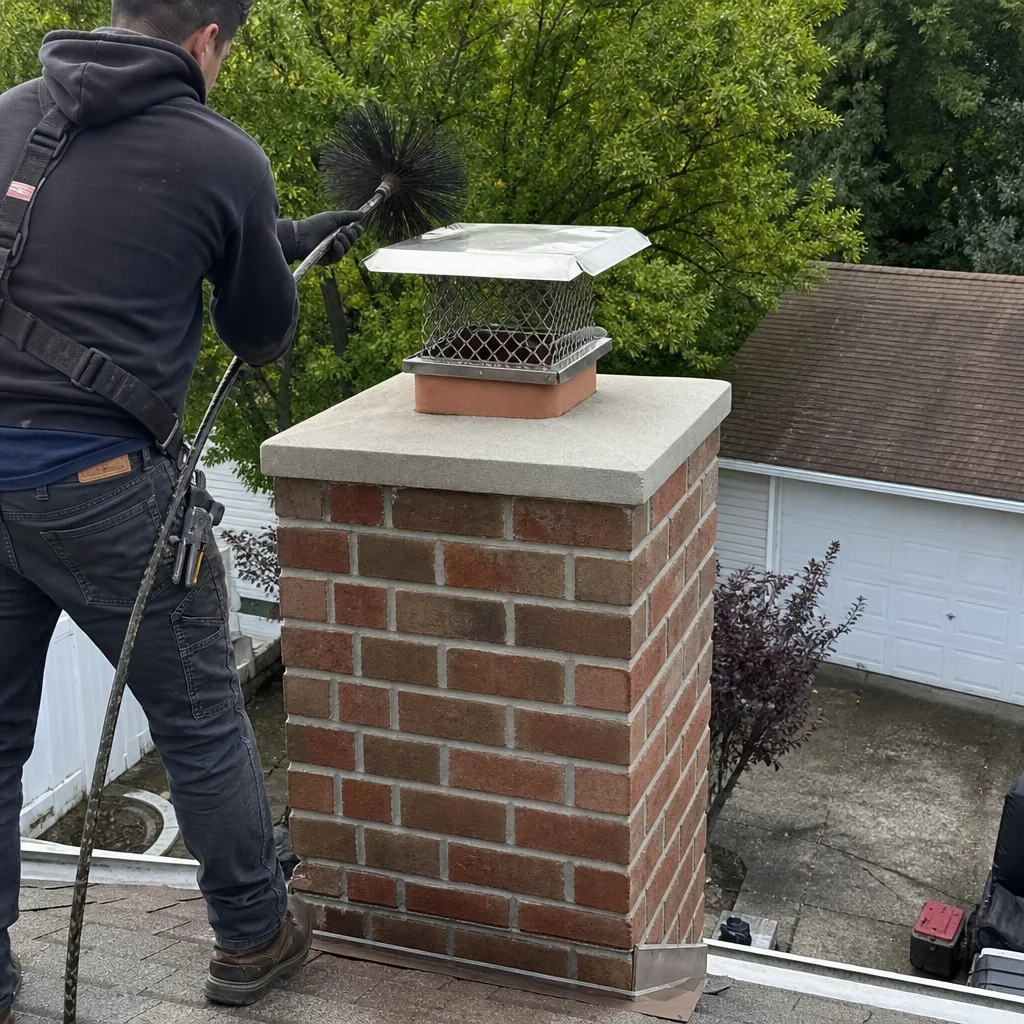
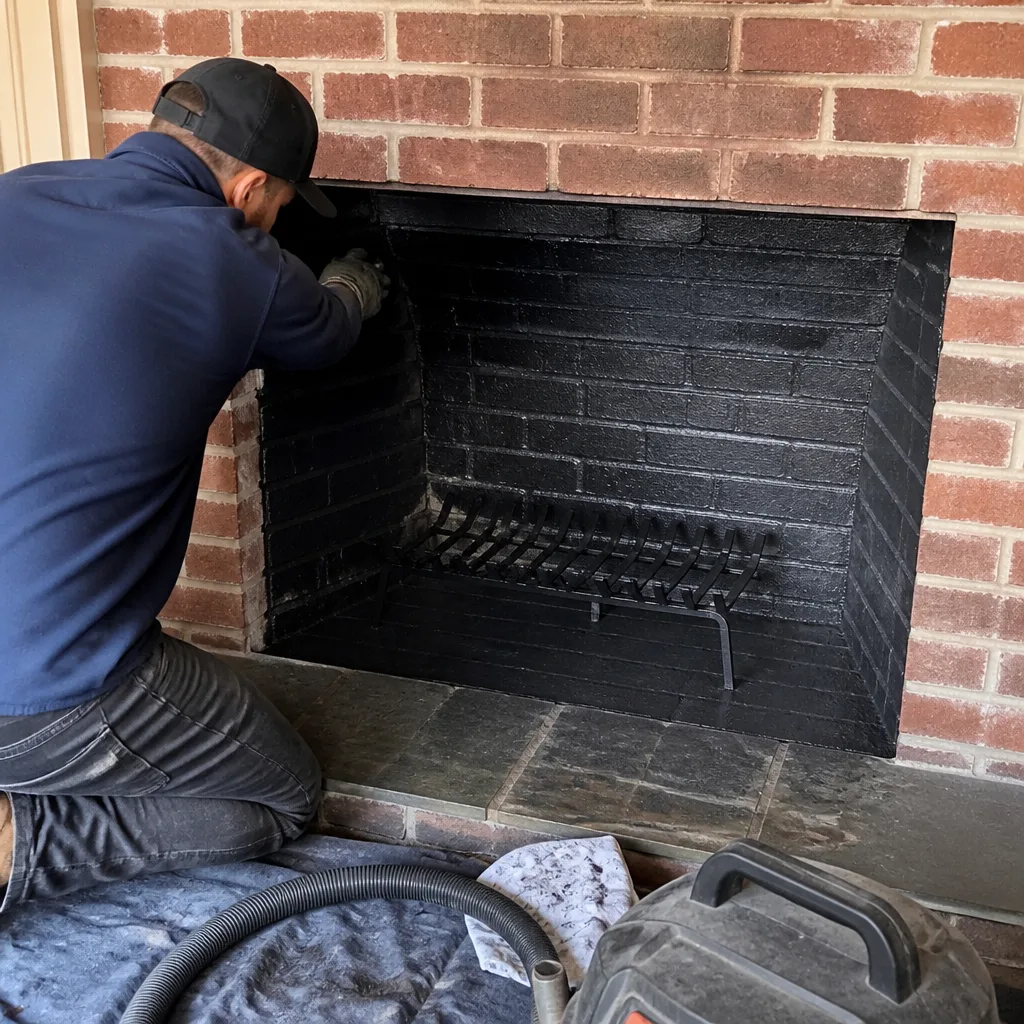
Level 1 sweep and inspection to the NFPA 211 annual standard - flue, crown, cap, and flashing checked and photographed
Chimney sweep logs do not sweep chimneys. They loosen some creosote - which then falls where a brush and vacuum still have to collect it.
Seasonal Chimney Cleaning Care for Hempstead: Year-Round Homeowner’s Guide
Most Hempstead homeowners think of chimney maintenance as a once-a-year fall chore. That’s the expensive way to do it. A chimney in Hempstead doesn’t fail on a schedule that matches the calendar – it fails during five specific stress events driven by coastal Long Island weather: spring moisture intrusion, summer liner expansion, early-fall creosote acceleration, peak-winter load, and late-winter freeze-thaw damage. Understanding those five events gives you a maintenance schedule that’s predictive, not habitual. This guide maps each stress event to a specific action, a specific timing window, and a specific budget range so you can plan your chimney care the way a disciplined homeowner plans everything else: in writing, ahead of time, with no surprises. For more guides & resources, see our blog.
Styles & brands we work with
Quick Answer
A seasonal chimney cleaning schedule for Hempstead, NY means five targeted actions, not one fall visit. Book your annual sweep and inspection in August (before the October rush), address water damage found over winter in April or May, check your chimney cap and crown for salt-air corrosion every spring, and know your fuel type – gas inserts and wood-burning fireplaces need different seasonal attention. A standard chimney sweep in Hempstead typically runs $189 to $349 depending on flue condition and roof access.
Table of Contents
- The Five Stress Events That Define Hempstead’s Chimney Calendar
- Spring: The Most Cost-Effective Time to Fix Winter Water Damage
- Summer: Liner Expansion, Cap Corrosion, and the August Booking Window
- Early Fall: Creosote Acceleration and the Pre-Burn Inspection
- Peak Winter: Load Management and Mid-Season Monitoring
- Late Winter: Freeze-Thaw Damage and What It Means for Next Year
- Gas Inserts vs. Wood-Burning Fireplaces: Different Schedules
- Booking Lead Times in Hempstead: When Demand Peaks and Drops
- Common Mistakes to Avoid
- When to Call a Professional
- Frequently Asked Questions
- The Bottom Line
The Five Stress Events That Define Hempstead’s Chimney Calendar
Before we get into seasons, we need to talk about what actually damages a chimney in Hempstead. The four seasons are a calendar convention. The five stress events are what the masonry, the liner, and the cap actually experience. Here’s the sequence, and here’s why each one matters.
- Spring moisture intrusion (March – May): Snowmelt and spring rain saturate the chimney’s outer masonry. Water works into hairline cracks in the crown and mortar joints. If the crown was already compromised by winter freeze-thaw, spring is when the real damage accelerates. Water that gets in during March doesn’t dry out until June.
- Summer liner expansion (June – August): The flue liner – the inner channel that carries smoke and gases out of the house – heats and cools unevenly in summer. Morning temperature swings along the Hempstead coastline can be 20 degrees or more. A stainless liner like DuraFlex is built to handle this expansion and contraction cycle without separating. An older clay tile liner isn’t. This is why we inspect liners in summer: if a crack opens under expansion, it’s visible before burning season puts real heat through it.
- Early-fall creosote acceleration (September – October): Creosote is the tar-like residue that condenses on the flue wall when wood smoke cools too quickly. In Hempstead’s damp fall air, that condensation happens faster. Fires burned in September and October on nights that are cold enough to warrant a fire but not cold enough to create a strong draft produce the most creosote per cord of any time of year. This is the single biggest reason to sweep before burning season and to have the flue inspected for creosote glaze before it ignites.
- Peak-winter load (December – February): The chimney is doing maximum work. Long burns, wet wood, and constant thermal cycling test every joint, every seal, every inch of flashing. A chimney with a marginal crack in October can be a leaking, failing chimney by February simply because it never got a break.
- Late-winter freeze-thaw damage (February – March): Water trapped in mortar joints freezes at night and thaws during the day. Each freeze-thaw cycle is like a small hydraulic jack pushing the mortar apart. Hempstead’s coastal climate means we get more freeze-thaw cycles than inland Long Island – night temperatures below freezing with daytime highs above 40 produce ideal conditions for this. The damage shows up as spalling brick (faces flaking off), crumbling mortar, and crown cracks that widen year over year.
Here’s the key takeaway: by the time you notice a problem – water staining on the ceiling, a smoky fire, a rusted damper – you’re usually 8 to 12 months past the event that caused it. A seasonal schedule built around these five stress events lets you act before the symptom appears. That’s the difference between a $200 sweep and a $3,000 crown rebuild.
If you want a deeper look at how we inspect for damage from each stress event, our Chimney Inspection in Hempstead page explains the full process.
Spring: The Most Cost-Effective Time to Fix Winter Water Damage
April and May are when Hempstead homeowners get the best return on chimney repair dollars. Here’s why: water damage found in spring is still shallow. The moisture that worked into the crown and mortar joints over winter hasn’t had a summer of expansion to drive it deeper. Repairing a crown with hairline cracks in April might mean sealing and a crown coat – roughly $400 to $800 in Hempstead. Waiting until August, after three more months of heat expansion and rain, can mean a full crown rebuild at $1,200 to $2,500. Same chimney, same root cause, different price because of timing.
Spring is also when you can see the evidence most clearly. Efflorescence – that white, chalky mineral deposit on brick – is most visible after spring rains. Rust stains on the damper or in the firebox tell you water has been running down the flue. A musty smell in the firebox after a rain means the cap or crown let water get to the accumulated ash, and that wet ash is now sitting against the metal damper assembly, accelerating corrosion.
Here’s a practical spring checklist for Hempstead homeowners:
- Look at the crown from ground level (or from an upper window): any visible cracks wider than a pencil lead, any missing chunks, any pooling water. The crown is the concrete or mortar slab on top of the chimney, and it’s the chimney’s first line of defense against water.
- Inspect the flashing where the chimney meets the roof: this galvanized or aluminum metal is what seals the gap. Hempstead’s coastal winds work it loose. If the flashing is pulled away from the roofline or the caulk has separated, you’ll get leaks into the attic that never show up in the firebox.
- Check the damper for rust and stiffness: a damper that’s hard to open or close in spring will be worse in fall. Surface rust can be treated; deep pitting means replacement.
- Look for spalling brick: flakes or chunks of brick face on the roof or in the gutter below the chimney. Spalling is freeze-thaw damage, and it means water has already been in the masonry for at least one full winter.
One thing we tell Hempstead homeowners every spring: don’t seal or paint the brick. Hydraulic cement and masonry paint trap water inside the brick instead of letting it breathe, and that can cause the brick to fail from the inside out. A proper fix addresses the water path, not the symptom. When we repair spalling or cracked crowns, we use professional-grade products from Olympia Chimney and Copperfield – specified by job, not by margin.
If spring inspection turns up damage that needs repair, the work is usually easier to schedule and cheaper to do before the fall rush. Our Chimney Repair in Hempstead page covers what a typical repair job looks like and what it costs, with no surprises.
Summer: Liner Expansion, Cap Corrosion, and the August Booking Window
Summer is the most underused season in chimney care, and it’s the one that sets you up for a stress-free fall. Two things need attention in Hempstead between June and August: the liner and the cap.
Liner expansion testing: The flue liner expands when heated and contracts when cooled. If there’s a hidden crack in a clay tile liner, summer temperature cycling makes it visible. An inspection in July or August can catch a cracked liner before you put heat through it in October. We run a camera through the flue – you see the images right along with us, on the tablet, in real time. Nothing is recommended without camera evidence you can see for yourself. If the liner is marginal, we can often install a DuraFlex stainless liner system that’s sized to your existing flue and carries a written guarantee.
Cap and crown inspection for coastal exposure: Hempstead sits on the south shore of Long Island, and the salt-laden air from the Atlantic is a measurable factor in chimney cap corrosion. We routinely see caps in Hempstead that fail 3 to 5 years earlier than identical caps installed 20 miles inland. Galvanized steel caps rust through at the seams and around the mounting bolts. Stainless caps from Copperfield or Famco hold up significantly better in this environment, but even stainless should be checked annually for corrosion around fasteners. While you’re at it, make sure the cap’s screen is intact – a torn screen in summer means birds, squirrels, or a nest you’ll be dealing with in October.
But the most important summer task isn’t maintenance – it’s scheduling. Here’s the reality of the Hempstead chimney service calendar:
- October 1 through December 15: peak season. Every sweep in Hempstead is booked 2 to 4 weeks out. You’re competing for appointments, and emergency calls (smoke backup, water dripping through the ceiling) jump the line, which pushes your scheduled date back even further.
- August through mid-September: the sweet spot. You can get a next-week appointment, the crew isn’t rushing between emergency calls, and any repair work found during the sweep can usually be completed before the first cold snap.
- January through March: moderate demand. Good for repairs. Bad for inspection-only calls in March, when thawing makes damage hard to distinguish from seasonal moisture.
- April through July: lowest demand. Best pricing on repair work, fastest scheduling for sweeps, and the most flexibility for multi-day projects like crown rebuilds or full liner replacements.
We say it plainly on our Flint Chimney Co Hempstead home page: the worst time to clean your chimney is late October. The right time is August. You’ll get better attention, faster scheduling, and a realistic window to complete any repairs before the first fire.
Early Fall: Creosote Acceleration and the Pre-Burn Inspection
September and early October in Hempstead produce the conditions that create the most creosote per fire: cool, damp evenings that call for a fire, plus warm afternoons that weaken the draft. When wood smoke doesn’t move up the flue quickly enough, the unburned particles condense on the flue wall as creosote. Burn a few weeks of these conditions and you can build up enough creosote to matter – especially in a flue that was never properly swept in the first place.
Creosote isn’t one substance. It’s a range, and the stage matters:
- Stage 1 (flaky, dusty): brushes off easily. This is what a standard sweep removes. Most Hempstead chimneys that are swept annually stay in Stage 1.
- Stage 2 (crusty, flaky, tar-like in spots): requires more aggressive mechanical removal. This is the point where a chimney fire becomes a real risk.
- Stage 3 (glazed, hardened, shiny): the creosote has baked into a resin. This is the most dangerous state and the hardest to remove. If we find Stage 3 creosote, we tell you plainly: a standard sweep won’t fix it, and burning another season on top of it is a gamble.
Here’s the pre-burn inspection sequence we recommend for Hempstead homeowners who burn wood, done in September:
- Sweep the flue: this is the baseline. Every fire after the sweep rebuilds creosote, and you want to start the season at zero.
- Camera-inspect the liner: after sweeping, there’s nothing left to hide a crack. This is the only time a liner inspection gives you a fully accurate picture.
- Test the damper: opens fully, closes fully, stays in position. A damper that won’t stay open is a safety issue; a damper that won’t fully close costs you heat all winter.
- Check the cap and screen: no debris, no rust-through, screen intact.
- Verify the smoke shelf and throat are clear: this is where debris collects after a summer of nesting activity.
A standard chimney sweep in Hempstead typically runs $189 to $349. If the sweep is paired with a Level 2 camera inspection – which we recommend if you haven’t had one in 3 years, if you’ve recently bought the house, or if you’re switching from gas to wood – the combined visit is usually in the $349 to $499 range. Every job gets a written price before we touch the chimney. The number on the invoice is the number you approved.
Peak Winter: Load Management and Mid-Season Monitoring
Once the burning season is underway in Hempstead – usually mid-December through late February – the chimney is under its heaviest load. Your job as a homeowner during this window isn’t to inspect anything. It’s to monitor, to respond to what you see and hear, and to avoid the two mistakes that cause most mid-winter chimney failures.
Mistake one: burning wet or unseasoned wood. Green wood burns cooler, produces more smoke, and creates creosote at a much faster rate. Oak that was split in August and left uncovered in Hempstead’s damp fall won’t be ready to burn in December – it needs 6 to 12 months under cover, exposed to air, before it’s below 20% moisture. A moisture meter (a $25 tool, available at any hardware store) removes the guesswork. Split a log and test the fresh face: under 20% is good. Above 25%, you’re making creosote faster than the chimney can handle it.
Mistake two: ignoring small changes in the burn. A fire that was drafting perfectly in December and starts smoking back into the room in January is telling you something. So is a fire that’s suddenly harder to light, or a smell that changes from clean wood smoke to something acrid. The most common causes of mid-season performance changes in Hempstead are: creosote buildup narrowing the flue, a failed damper, a partial obstruction (nest material knocked loose, a dead bird, a chunk of spalled brick), or exterior wind changes combining with an inadequate cap. If you notice a change, stop burning and call a professional. A mid-season inspection costs less than a chimney fire.
Here’s a mid-season monitoring checklist – things to note each time you build a fire, with zero tools required:
- Draft quality: the fire should draw upward from the first match. The smoke should go up the flue, not roll out into the room.
- Glass or firebox staining: more soot than usual, or soot in new places, means something changed in the combustion or draft.
- Odor: a sharp, acrid smell that appears after the fire is hot can indicate creosote ignition inside the flue. If you ever suspect a chimney fire (loud roaring, visible flames from the chimney top, or a hot exterior wall near the flue), call 911 first, then call us.
- Exterior wall or ceiling: any water stain, soft spot, or peeling paint near where the chimney passes through the house. This is a water intrusion signal, and in winter it’s usually flashing or crown failure.
One point worth making clearly: chimney fires don’t announce themselves with a little smoke and a crackle. They’re often violent – a sound like a freight train in the flue, visible flame from the top, and rapid temperature rise in the surrounding masonry. If you suspect one, get out and call 911. The aftermath – a camera inspection, a liner assessment, and often a full liner replacement – is a February problem you don’t want.
Late Winter: Freeze-Thaw Damage and What It Means for Next Year
By late February and March in Hempstead, the freeze-thaw cycle has been running for two to three months. Night temperatures dip below freezing; daytime highs climb into the 40s. Any water that penetrated the masonry in the fall or early winter has been expanding and contracting through dozens of cycles. This is when damage that started as a hairline crack in November becomes a visible structural problem in March.
Here’s what freeze-thaw actually does, physically: water expands by about 9% when it freezes. If that water is inside a pore or micro-crack in brick or mortar, the expansion exerts hydraulic pressure. Repeat this 20, 30, 50 times, and the mortar starts to crumble, and the brick face starts to spall. A single winter of freeze-thaw is cosmetic. Five winters is structural. In Hempstead, where the Atlantic keeps air moisture higher than inland Nassau County, the process runs faster because there’s more water available to freeze.
The late-winter window is when you should be checking for newly visible damage, even if you’re not ready to repair it until spring:
- New or widened cracks in the crown: any crack that didn’t exist in November is a freeze-thaw product.
- Fresh spalling on the upper masonry: brick flakes in the gutter, on the roof, or on the ground below the chimney are the smoking gun.
- Loose or shifted cap: the metal cap mounts to the crown with fasteners; freeze-thaw near those fasteners is where the mount fails first.
- A leaning chimney: this is the extreme end. If the upper section of the chimney has visibly shifted, the mortar below it has been failing for years, not weeks. This is a structural repair, not a spring project – get a professional assessment immediately.
The practical takeaway is simple: don’t repair freeze-thaw damage in February. It’s cold, the masonry is saturated, and any repair product you apply won’t cure properly. But do document it in February: photos, measurements, and notes on what you see. Then book the repair for April or May, when the masonry is dry and the materials can cure correctly. A repair scheduled in late February for April is the disciplined way to handle freeze-thaw – and it’s almost always cheaper than waiting until the crack widens over summer.
Our Chimney Sweep in Hempstead service includes a visual inspection of the crown, cap, and exterior masonry at every visit, so the last sweep of the season functions as a second set of eyes on freeze-thaw damage.
Gas Inserts vs. Wood-Burning Fireplaces: Different Schedules
One of the most common errors we see in Hempstead is a homeowner treating a gas fireplace like a wood-burning one – or worse, treating a gas fireplace like it needs no maintenance at all. Gas fireplaces vent differently, accumulate different residues, and fail in different ways. The seasonal schedule is not the same.
Wood-burning fireplace schedule (fire is the primary heat supplement):
- August – September: book the sweep and Level 2 inspection. Confirm the liner, damper, cap, and screen are sound before the first burn.
- Late September – October: test-fire on a cool evening and verify the draft is clean and the damper operates correctly before the real heating load arrives.
- November – February: monitor performance. Check for draft changes, smoke rollback, or unusual odors on every burn.
- March – April: post-season assessment. Look for freeze-thaw damage, rust on the damper, and any water staining from winter storms.
Gas insert or gas log schedule (appliance is the heat source, not the chimney):
- August – September: choose to have the unit serviced. Replace the batteries in the remote or wall switch, check the thermocouple and thermopile that generate the electrical signal for the gas valve, and clean the glass. A gas insert that won’t light in December is almost always a dead thermocouple or a wall switch that never got checked in fall.
- October: test-fire the unit for 15 minutes before you actually need it. Look for odd flame patterns, a strong gas smell (a faint odor on the first fire of the season is normal as dust burns off; a persistent smell is a problem), or soot buildup on the glass.
- November – February: no special monitoring beyond normal use. But if the flame changes color from blue to yellow, or you see soot on the glass within days of cleaning, get it serviced – the air-to-gas mixture is off.
- March – April: check the vent termination outside. A bird or insect obstruction in the vent cap is the most common spring problem for gas inserts, and it’s easy to clear before it forces the exhaust back into the house.
The key difference is creosote: gas inserts don’t produce the same creosote as wood, but they do produce acidic condensate that can corrode older liners and damper assemblies. Gas flues still need periodic inspection, just with different failure modes in mind. If you’re converting a wood-burning fireplace to gas in Hempstead, the existing flue needs a thorough evaluation – not just for size, but for the moisture and acid resistance required for gas venting. We install and work with GasCo and Gelco products when conversion work is needed.
If you’re not sure whether your gas insert is sized correctly for the existing flue, or you’re swapping fuels and want an honest assessment before spending money, our Chimney Inspection in Hempstead page walks through what we check and what it costs.
Booking Lead Times in Hempstead: When Demand Peaks and Drops
Here’s the part of chimney care that most guides never cover: the scheduling reality of the service market in Hempstead. A chimney company with a good reputation doesn’t have open slots every week of the year. Demand is seasonal, and the pattern is predictable. Here’s what it looks like, month by month, from the service side.
October through mid-December: Critical. This is when every Hempstead homeowner suddenly remembers the chimney. A standard sweep call in October typically books 2 to 4 weeks out in Hempstead. Emergency calls – smoke backup, water running through the ceiling, a no-heat situation tied to the flue – get priority, which pushes scheduled appointments further back. If you wait until the first cold snap to book, you’re committing to a December appointment and crossing your fingers.
January through March: Steady. Demand drops, but the calls that do come in are often urgent and complicated: a liner that failed mid-season, a water leak that only shows up during winter storms, a damper that broke under load. These jobs take longer, which reduces availability for routine work. If you’re scheduling a late-season sweep or a repair you can wait on, this window works – but understand that emergency calls can bump you.
April through July: Open. This is the best time to book any chimney work in Hempstead – full stop. Schedule a sweep and inspection in April, and you’ll typically get an appointment within a week, sometimes within days. Repair jobs get scheduled without the pressure of an emergency backlog, which means better attention, more thorough work, and often lower pricing on multi-day projects like crown rebuilds or full relines.
August through mid-September: The window you should be using. This is when disciplined Hempstead homeowners book their pre-season sweep. Lead times are still short – usually a week or less – but the work is being done before the hard freeze. If the sweep turns up a problem, there’s still time to fix it before October. If the sweep comes back clean, you’ve locked in a safe chimney for the season and removed yourself from the October mad rush.
Our advice is to think of August as the deadline, not the starting point. Book in August, burn in November, and you’ll never spend a January evening waiting on a sweep who’s running three hours behind because an emergency call piled onto a packed schedule.
Common Mistakes to Avoid
- Waiting until late October to book a sweep. In Hempstead, that means booking into late November or December, paying peak pricing, and getting less attention because the schedule is overloaded. Book in August instead.
- Burning green or wet wood. Hempstead’s damp coastal air means firewood left uncovered through the fall won’t season properly. Test with a moisture meter – under 20% is the target. Anything above 25% is producing creosote faster than it’s burning.
- Ignoring efflorescence or spalling brick. That white chalky residue isn’t cosmetic. It means water is moving through the masonry, and in Hempstead’s freeze-thaw climate, it’s doing structural damage with every winter.
- Treating a gas fireplace like it needs no maintenance. A gas insert has a thermocouple, a thermopile, a vent termination, and a flue – all of which need annual attention. The most common December service call for gas fireplaces is a no-light, and it’s almost always preventable with an August check.
- Applying masonry sealant or paint to brick. Trapping moisture inside the masonry accelerates spalling and structural failure. Fix the water path, not the visible symptom.
- Assuming one sweep is enough for a full season of heavy wood burning. Hempstead homeowners who burn more than a cord of wood per season, or who burn frequently on shoulder-season nights when the draft is weak, often need a mid-season sweep. If the fire is smoking back or the chimney smells acrid, stop burning and get it checked.
- Not getting a camera inspection before buying a home in Hempstead. A standard home inspection doesn’t include a camera pass through the flue. We routinely find liners that are cracked, caps that are rusted through, and crowns that have been failing for years – all invisible from the ground and often missed on a conventional inspection.
When to Call a Professional
Some chimney issues are diagnosable and fixable by a careful homeowner. These are not: any sign of a chimney fire (loud roaring, visible flame from the top, hot exterior walls near the flue – call 911 first, then call us), water leaking into the living space from the chimney chase or ceiling, a smoke backup that appears suddenly and won’t resolve, a visible lean in the chimney structure, or any fuel-related odor from a gas insert that persists past the first burn of the season. If you’ve burned more than a cord of wood since your last sweep, schedule one before the next fire. Flint Chimney Co Hempstead offers free estimates in Hempstead – call (516) 559-6922, and a live person will answer.
Frequently Asked Questions
A standard chimney sweep in Hempstead typically runs $189 to $349 depending on flue height, roof access, and the amount of creosote present. A sweep paired with a Level 2 camera inspection is usually in the $349 to $499 range. Every job gets a written price before work starts, so the number you approve is the number you pay. Call (516) 559-6922 for an exact quote – estimates are free.
For a wood-burning fireplace used regularly through the heating season, sweep once per year, before the first fire – which in Hempstead means August or September, not October. If you burn more than a cord per season or frequently burn fires on mild fall and spring evenings, a mid-season sweep may be needed. Gas inserts should be inspected and serviced annually, though they don’t need sweeping on the same creosote schedule.
If a chimney company recommends a new liner without showing you camera evidence, that’s a red flag. A cracked or separated clay tile liner is visible on a camera pass, and we show you the images in real time so you can see it for yourself. If the liner is thin, cracked, or absent, the risk is real – exhaust gases escaping through a breach can enter the house. When replacement is needed we work with DuraFlex stainless systems specified to your flue dimensions, and the repair carries a written guarantee. Call (516) 559-6922 for an honest assessment.
Creosote builds up in layers. Stage 1 is flaky and dusty – a normal sweep removes it. Stage 2 is crusty and tar-like, and gets progressively harder to remove. Stage 3 is glazed and hardened, and is the state most associated with chimney fires. A chimney that hasn’t been swept in multiple seasons can also conceal cracks in the liner that open up to let exhaust gases and heat into the walls. The worst-case outcomes in Hempstead are a chimney fire, carbon monoxide intrusion, or water damage from a crown that’s been failing for years. All are more expensive than a sweep.
August and early September are the ideal window – you’ll get a next-week appointment, the work gets done before the hard freeze, and any repairs found during the sweep can be completed before burning season. April through July is also excellent for repairs and inspections. The worst time to schedule is October through mid-December, when every Hempstead homeowner is calling at once and emergency calls push routine appointments further out.
Yes. Gas fireplaces don’t produce creosote the way wood fires do, so the sweeping schedule is different. But gas inserts still need annual service: thermocouple and thermopile checks, glass cleaning, battery replacement in the remote, and a vent termination check for obstructions. Gas exhaust also produces acidic condensate that can corrode older liners and dampers over time. If your gas insert hasn’t been serviced in more than a year, schedule it before winter – call (516) 559-6922 for Hempstead service.
The Bottom Line
Hempstead’s chimneys fail on a predictable schedule: spring moisture, summer expansion, fall creosote, peak-winter load, and late-winter freeze-thaw. Each stress event has a matching action, and each action has a timing window where it’s cheapest and most effective. Sweep in August, inspect the liner and cap in summer, address freeze-thaw damage in spring, and never burn green wood. Gas and wood systems need different calendars, and the service market in Hempstead rewards homeowners who book before October. Do this year after year, and your chimney will outlast your mortgage. Skip it, and the chimney will announce its own schedule – usually in January, usually at 2 a.m., usually expensively.
Written by Hank Delano, Owner at Flint Chimney Co Hempstead, serving Hempstead since 2002.
See the difference
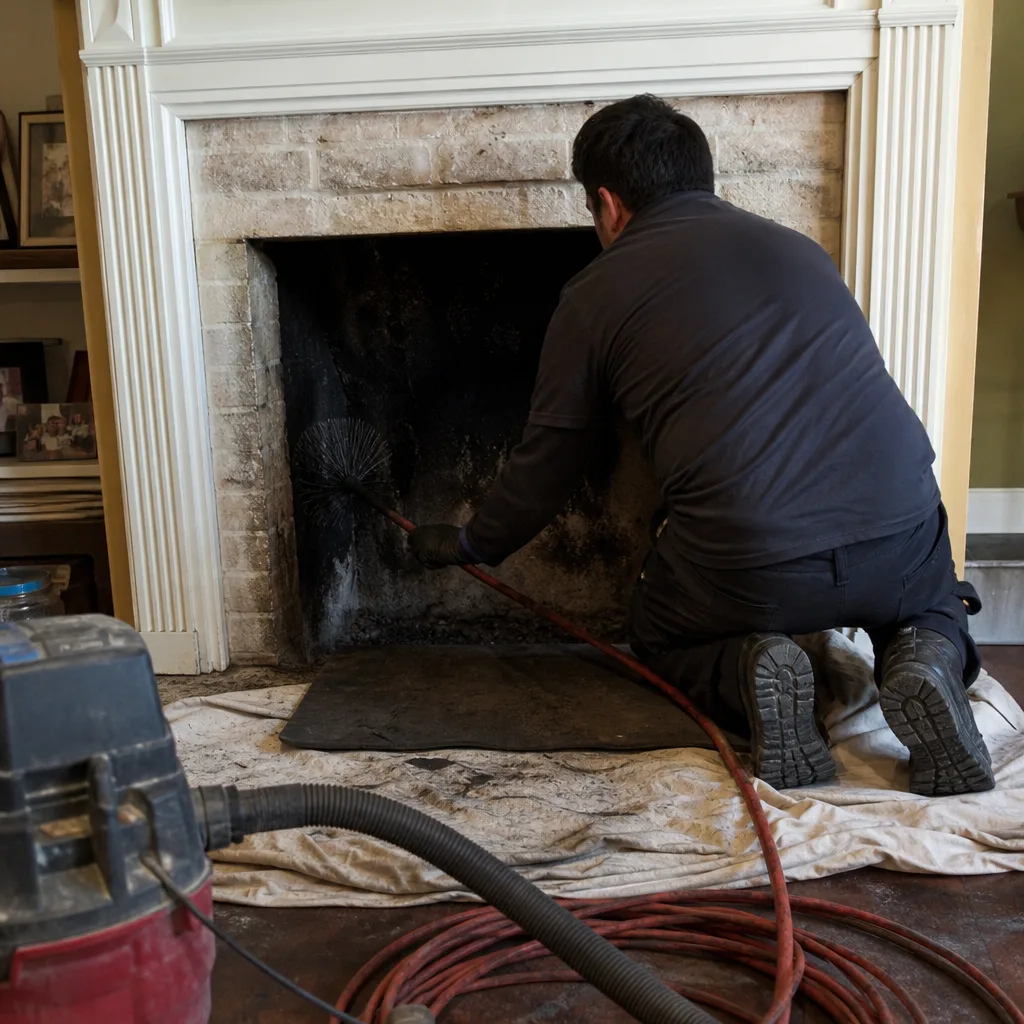 Before
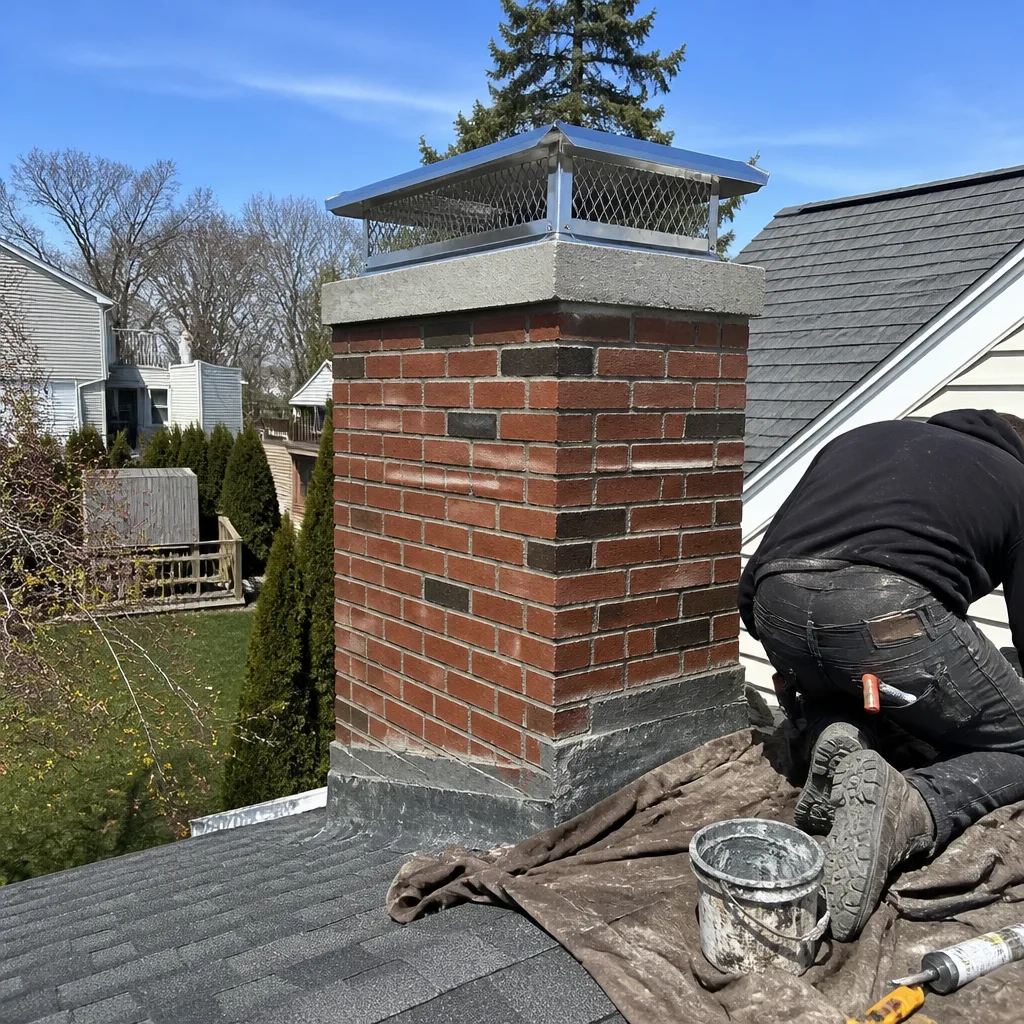 After
After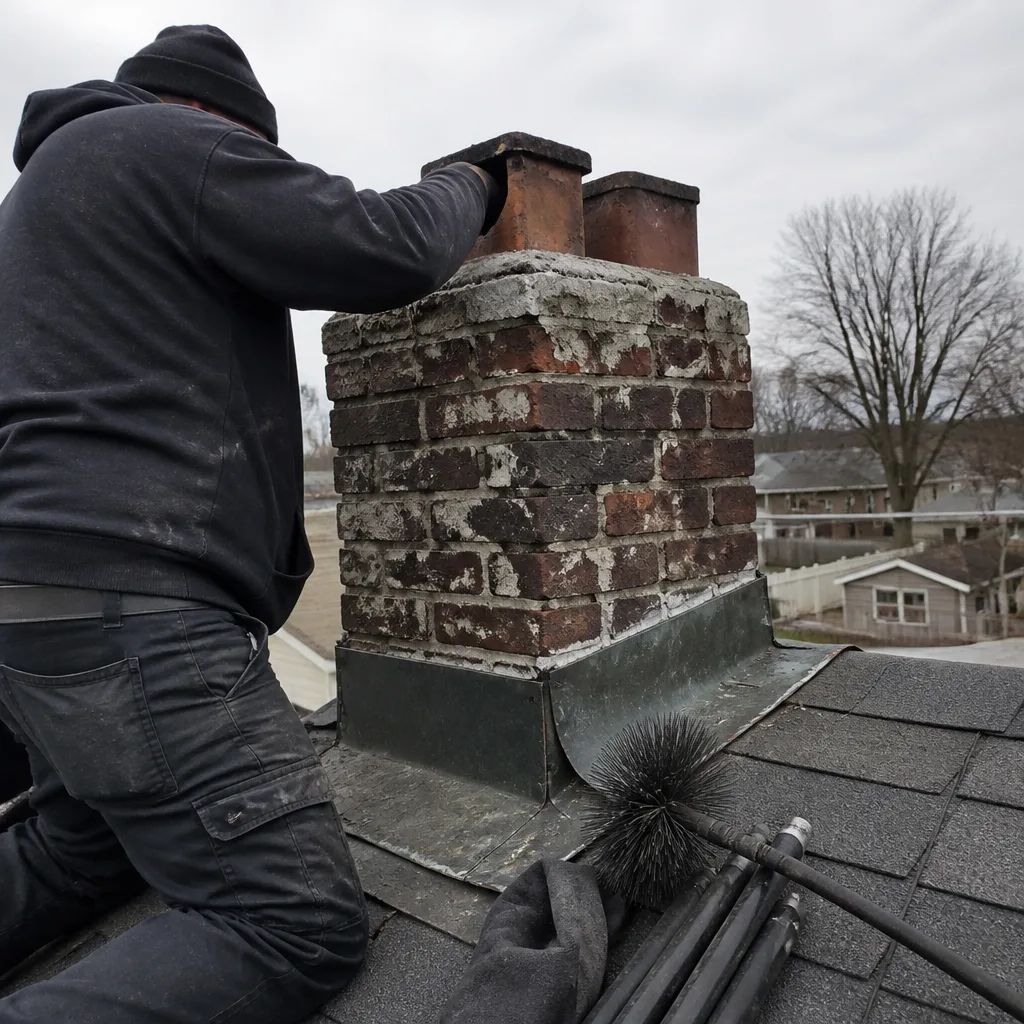 Before
 After
After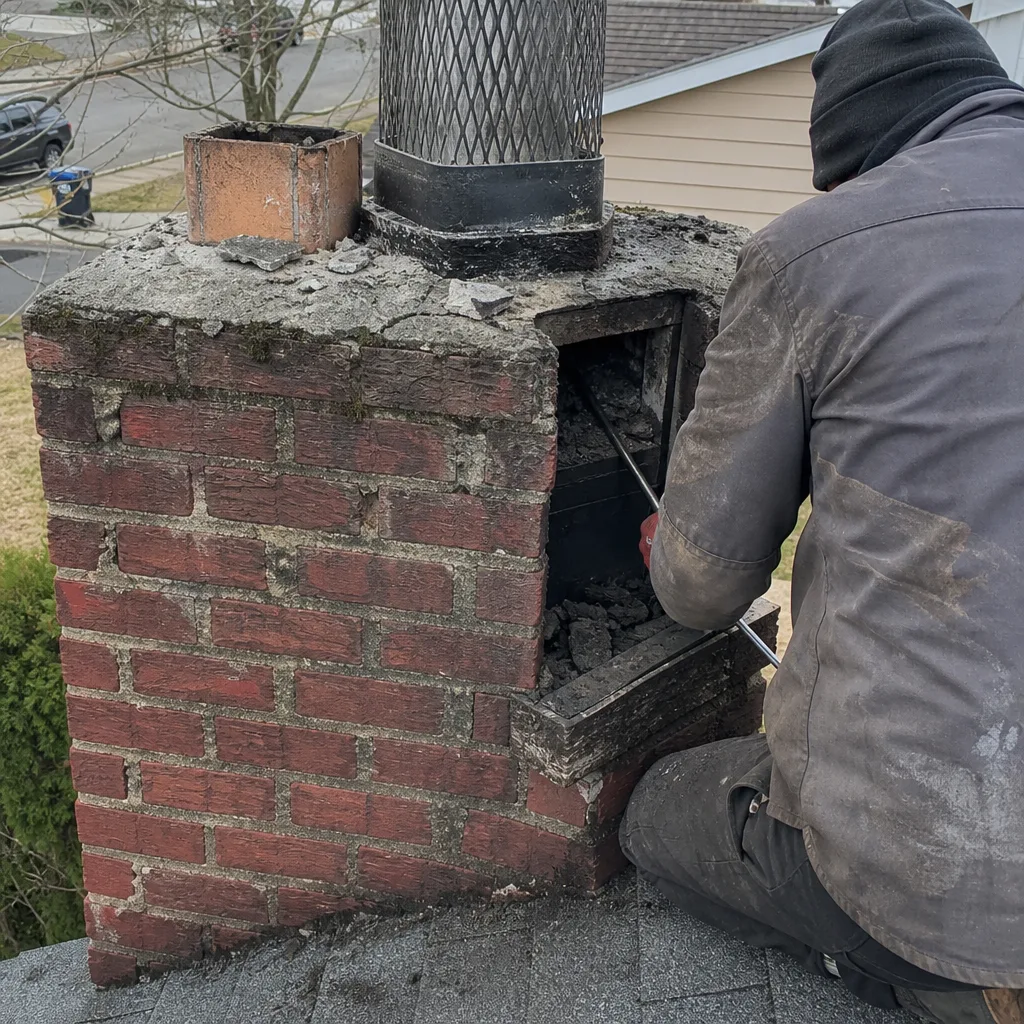 Before
 After
After