
Last updated October 15, 2026
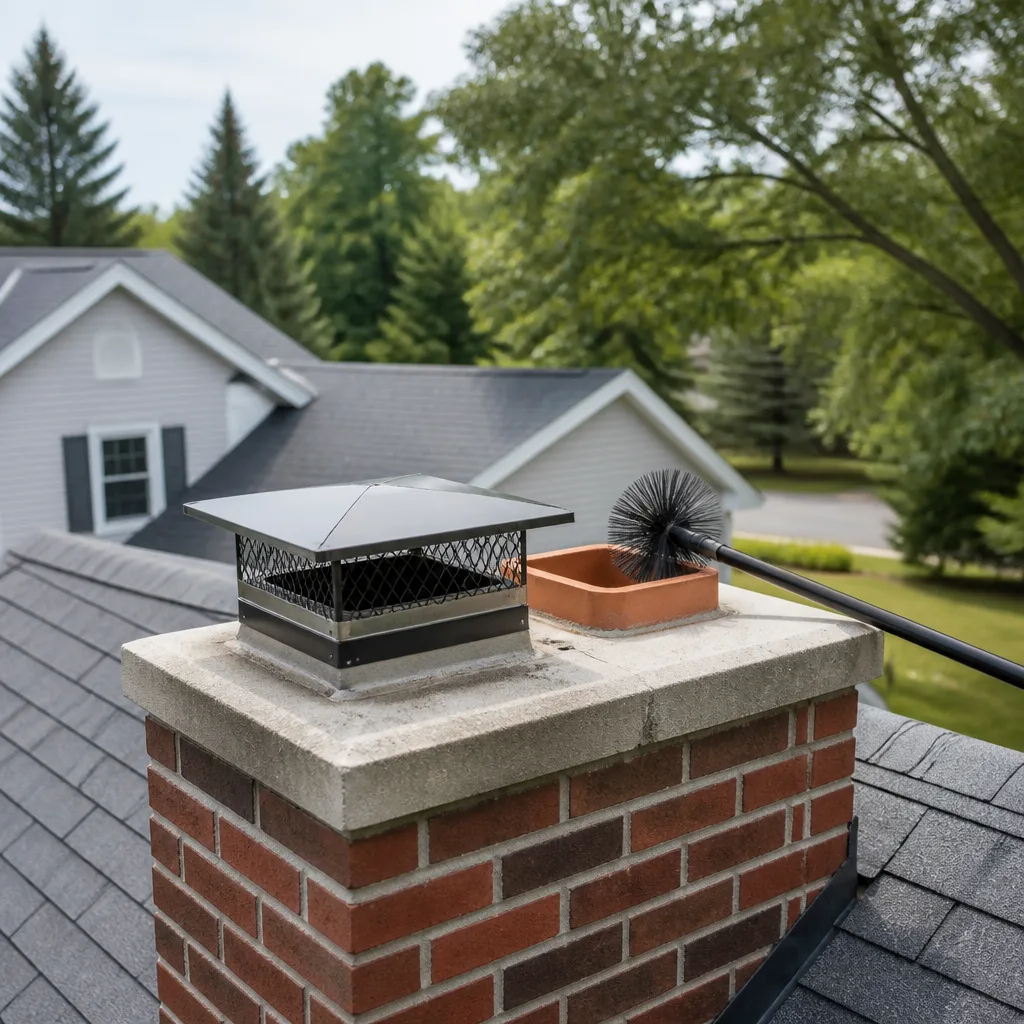 Sweep & inspection
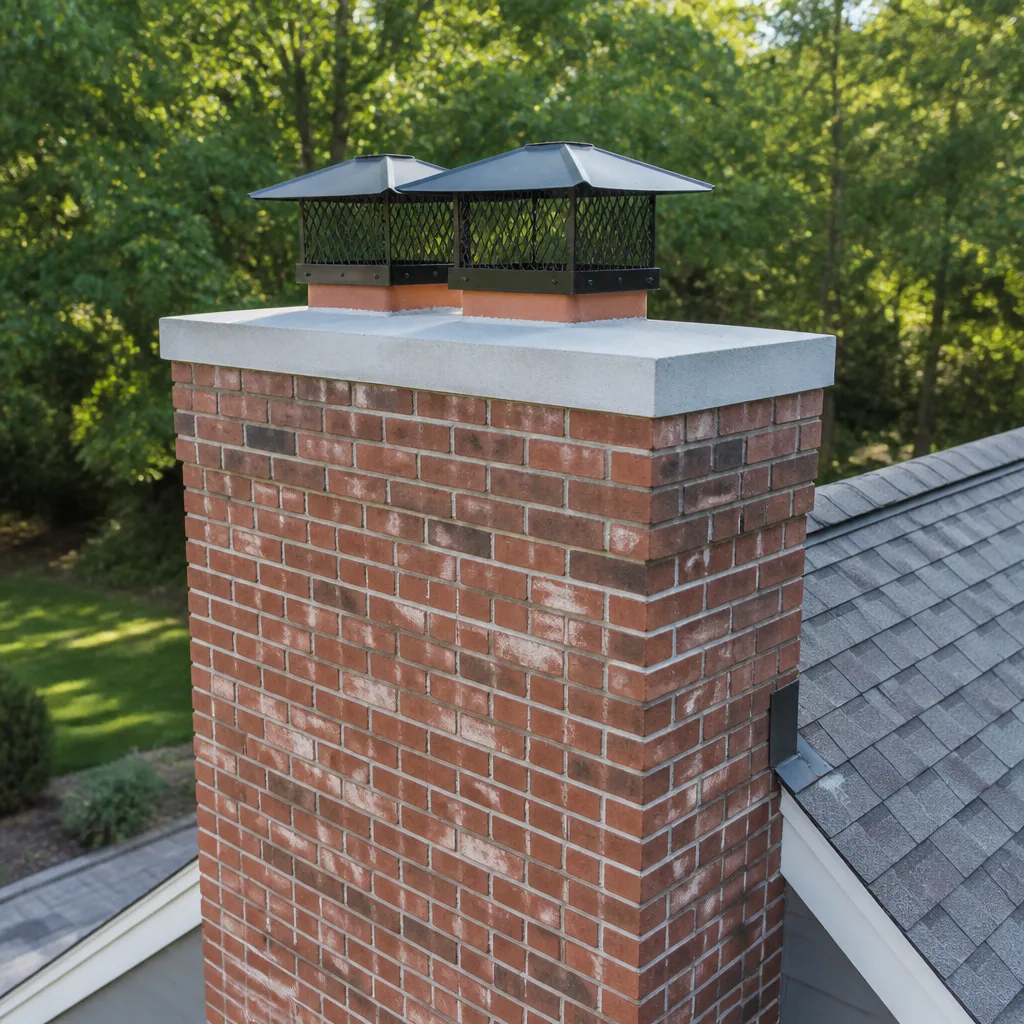 Caps & crowns
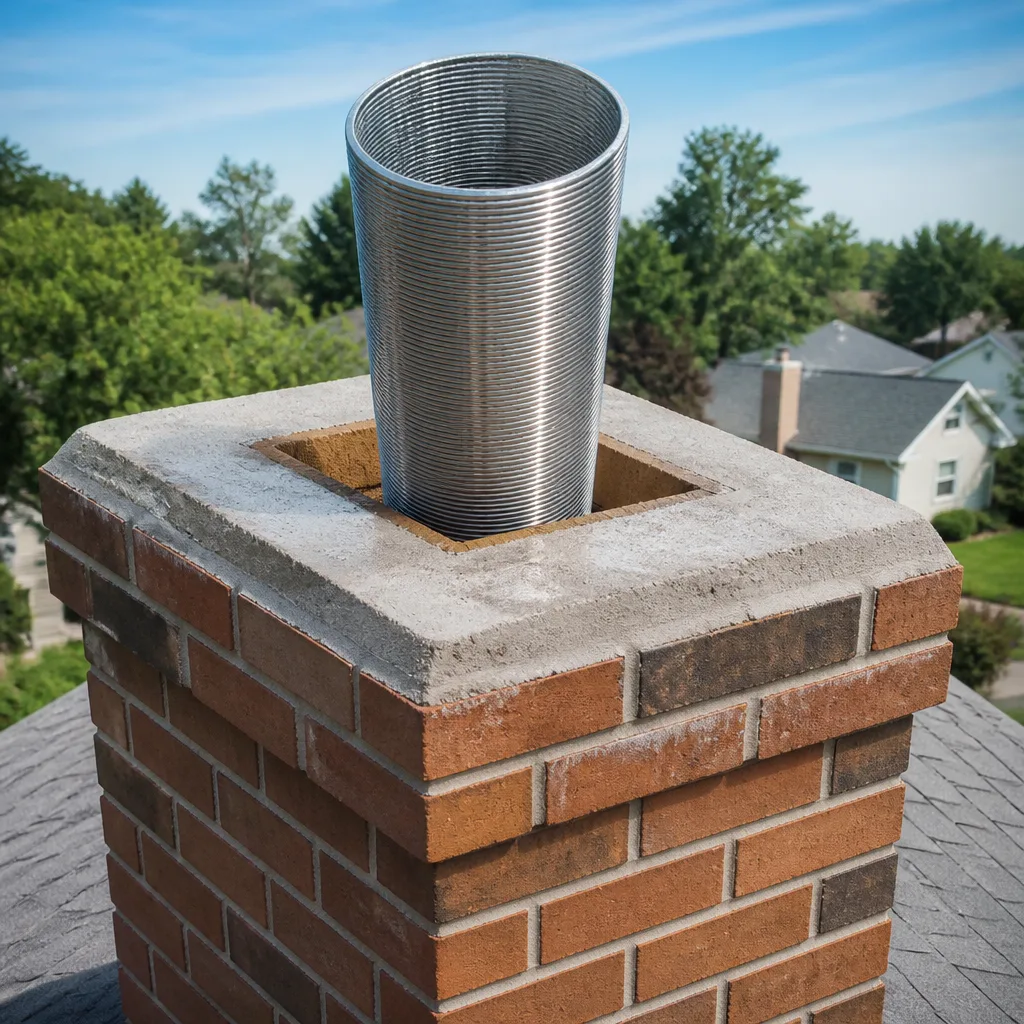 Flue relining
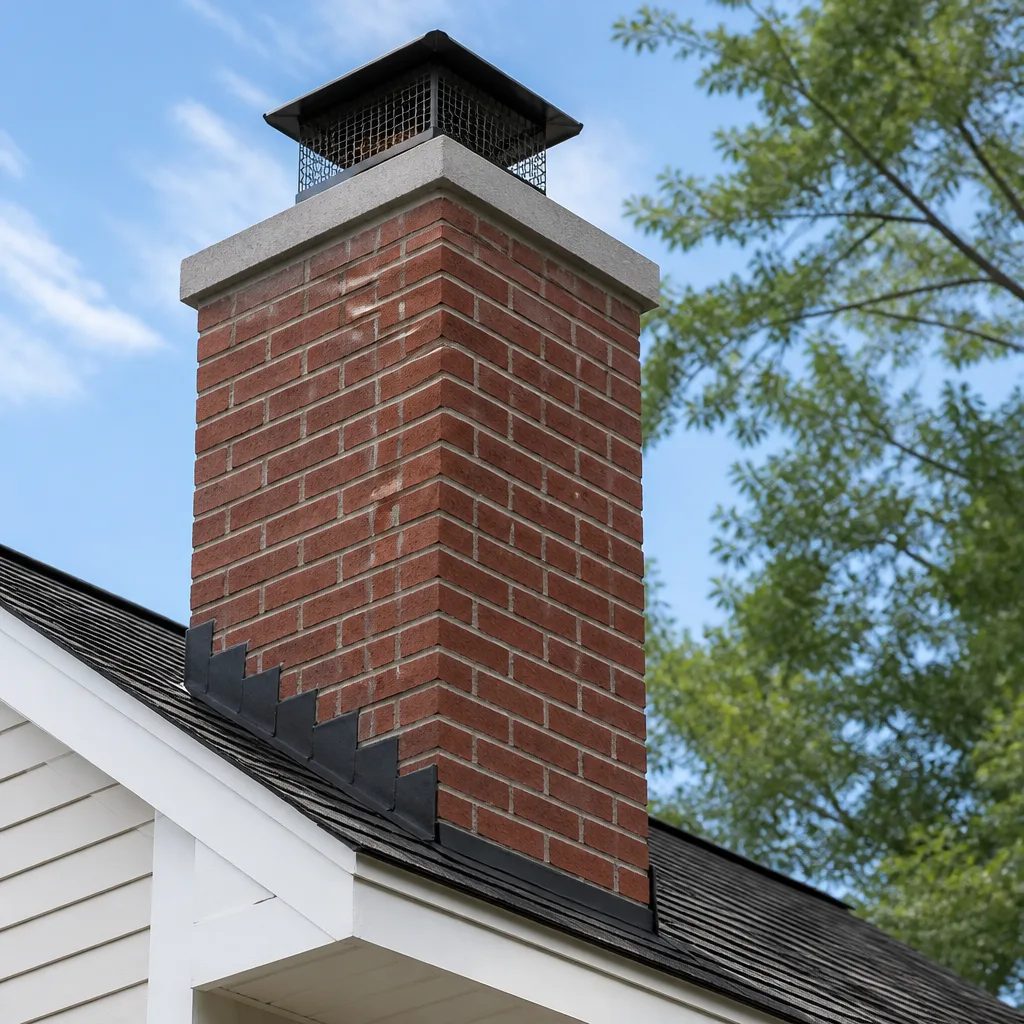 Masonry repair
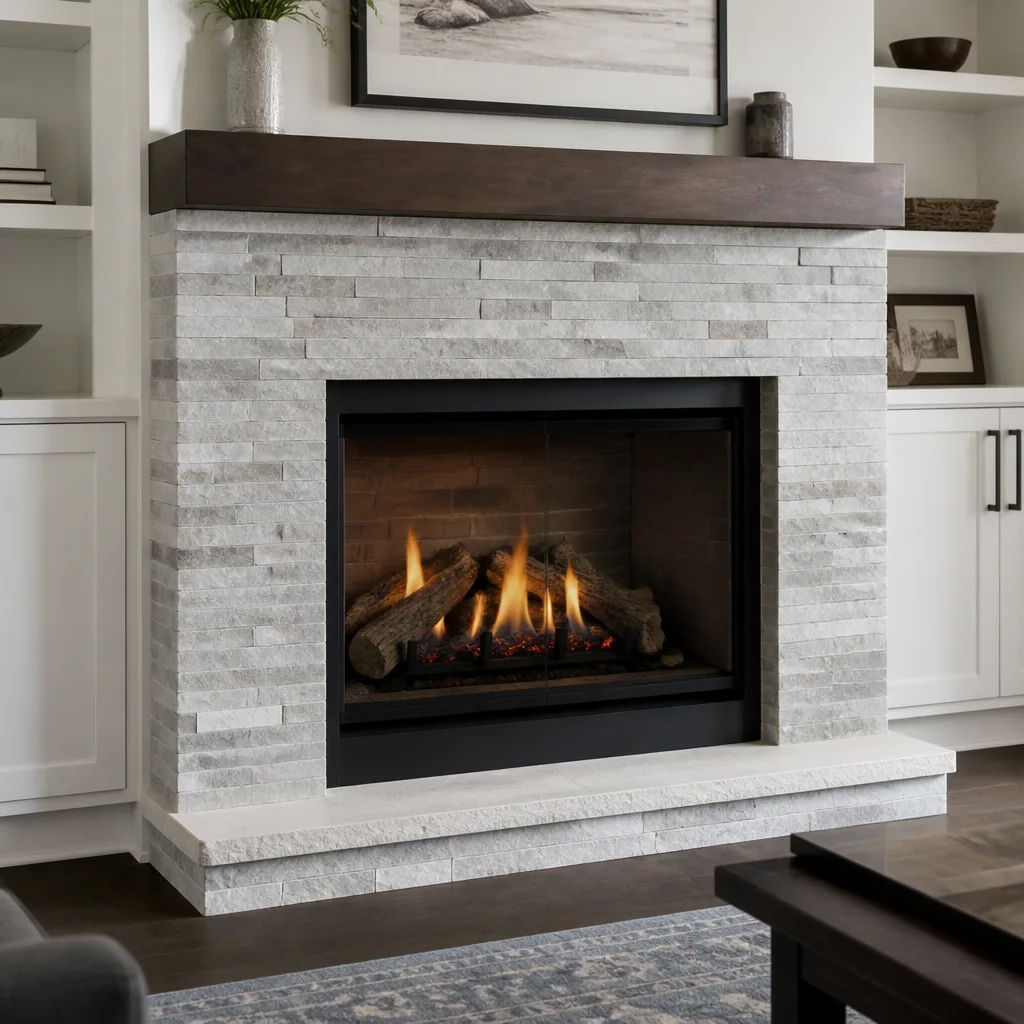 Gas fireplace service
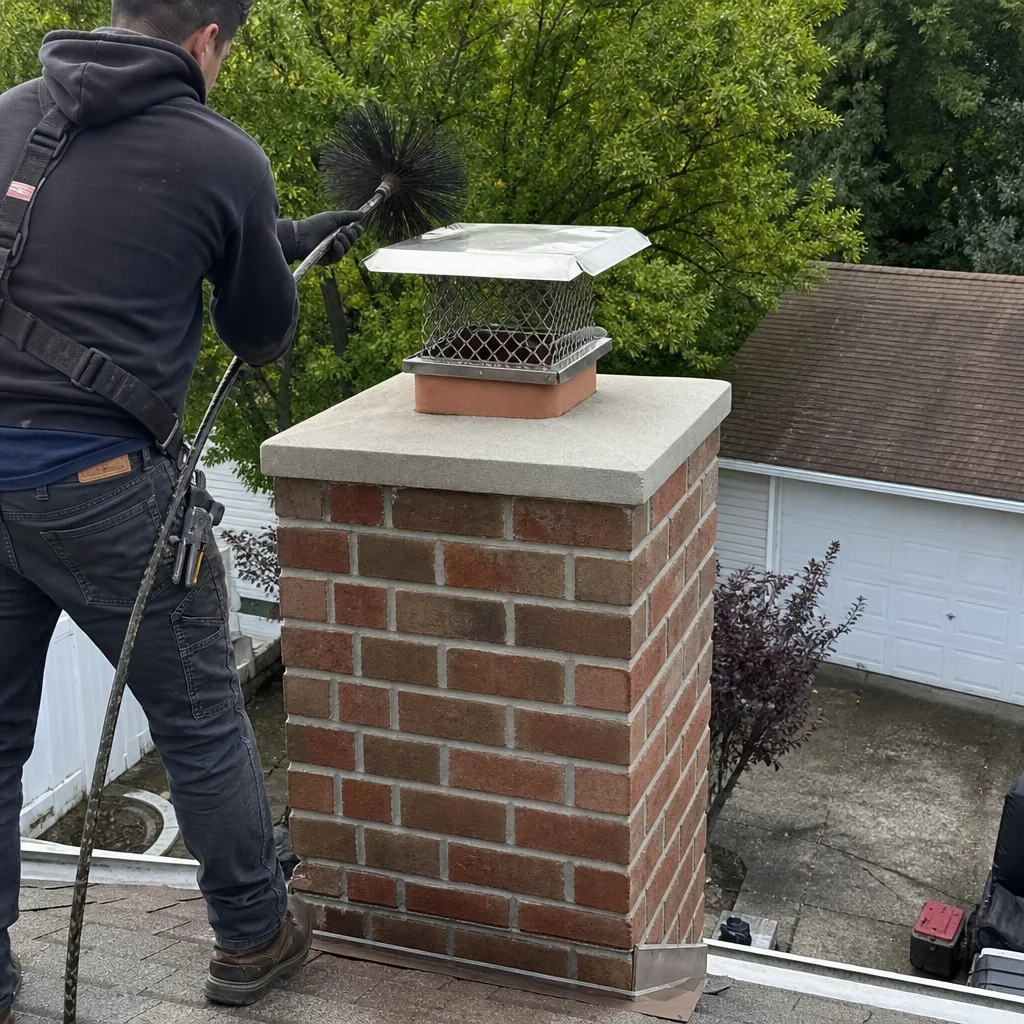
Level 1 sweep and inspection to the NFPA 211 annual standard - flue, crown, cap, and flashing checked and photographed
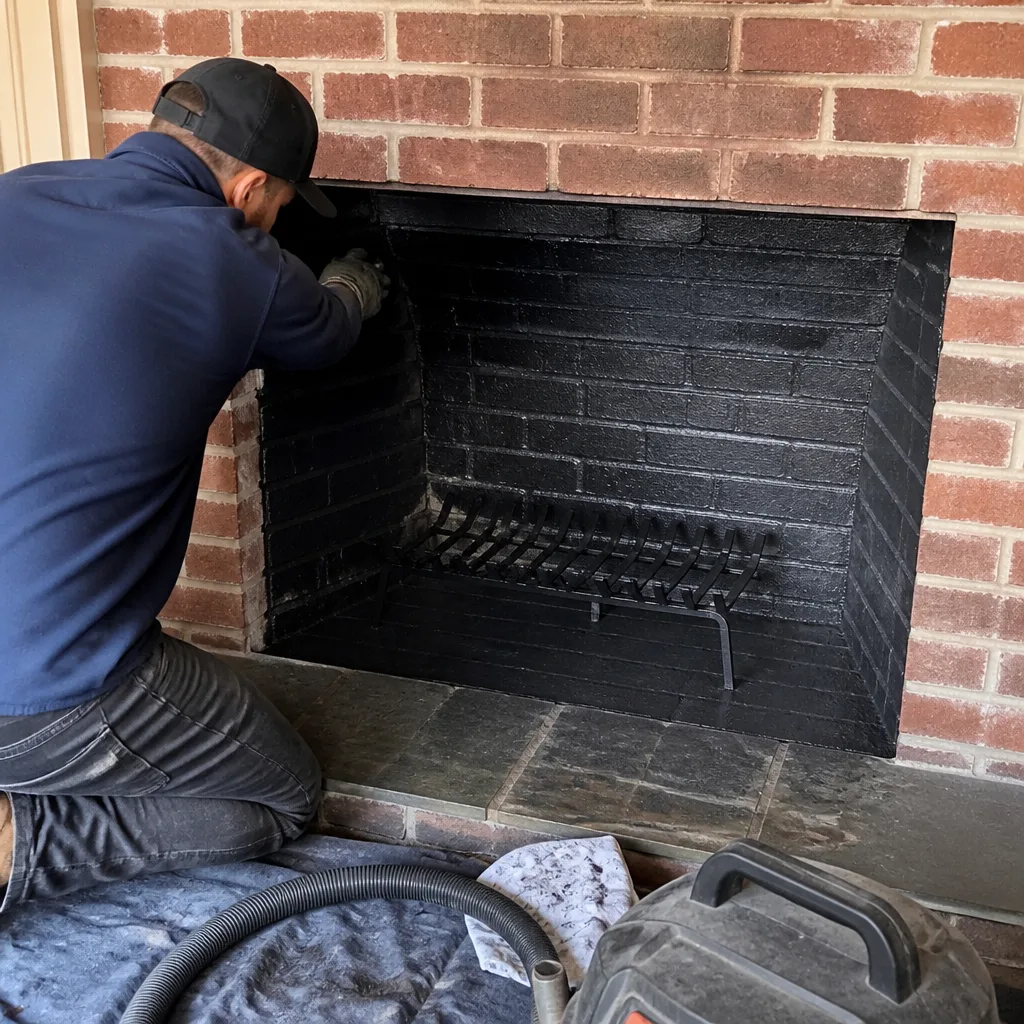
Chimney sweep logs do not sweep chimneys. They loosen some creosote - which then falls where a brush and vacuum still have to collect it.
Chimney Sweep Maintenance Checklist for Hempstead Homeowners
Creosote doesn’t announce itself. By the time you smell it in the living room, you already have Stage 2 buildup, which moves a standard $250 cleaning job into $900 chemical treatment territory overnight. Most Hempstead homeowners don’t skip chimney maintenance because they’re careless. They skip it because nobody ever told them what each task actually prevents, or what it costs when prevention fails. This guide fixes that. Every checklist item below is tied to a specific failure mode, the dollar amount you’ll spend if you ignore it, and the season on Long Island when that failure is most likely to show up.
Quick Answer
A proper chimney maintenance checklist for Hempstead homeowners includes two parts: things you can see and check yourself year-round, and things only a certified sweep can evaluate with tools. You should visually inspect the exterior cap, crown, and flashing every spring and fall, schedule Chimney Sweep services and inspection once a year before burning season, and keep a written record of every service date. A standard chimney sweep in Hempstead runs $180 to $350, while the repairs that follow skipped maintenance cost anywhere from $400 to $6,000 depending on what failed.
Styles & brands we work with
Table of Contents
- The Owner-Observable Checklist: What You Can Actually See
- The Sweep-Observable Checklist: What Requires Tools and Training
- What Every Skipped Item Costs You in Nassau County
- The Hempstead Seasonal Trigger Calendar
- Gas Fireplace Inserts: A Completely Different Schedule
- Record-Keeping Template for Insurance and Resale
- Common Mistakes to Avoid
- When to Call a Professional
- Frequently Asked Questions
The Owner-Observable Checklist: What You Can Actually See
Being honest about what a homeowner can and cannot inspect is the difference between a useful checklist and a false sense of security. From the ground or a safe ladder position, you can check four things. Everything else requires a professional. Here’s what’s actually visible without training or special equipment.
1. The Chimney Cap
Look at the top of your chimney. If you don’t see a metal cap with mesh sides, you’ve already found a problem. A missing or damaged cap lets rain into the flue, which wets the creosote and accelerates liner corrosion. It also lets birds, squirrels, and raccoons build nests. We’ve pulled dead birds out of Hempstead flues in March more times than we can count, and the homeowners had no idea because the entry point was 20 feet above their sightline. Cap replacement costs $180 to $400. The water damage and animal removal that follow a missing cap runs $1,500 to $3,000. You can check for a missing cap with binoculars from the ground. If you see rust holes or bent mesh, schedule a replacement before October.
2. The Crown
The crown is the concrete slab that sits on top of the chimney, sealing the area around the flue. It’s not the cap. It’s the flat surface the cap sits on. Run a visual check for cracks wider than a pencil line, spalling (flaking concrete), or moss growth. Moss on a Hempstead crown means water is pooling, which means the slope is wrong or the concrete has deteriorated. Crown repair runs $500 to $1,200. A full crown rebuild runs $1,500 to $2,500. Left alone, crown cracks let water into the masonry below, and freeze-thaw cycles during a Long Island winter turn hairline cracks into structural fractures within two seasons.
3. Visible Masonry and Efflorescence
Walk the perimeter of your house and look at the exposed chimney above the roofline. Are there white chalky streaks on the brick? That’s efflorescence, mineral deposits left behind when water soaks into masonry and evaporates. It’s not cosmetic. It’s physical proof that water is inside your chimney system. In Hempstead’s climate, with 40-plus inches of annual rainfall and hard freezes from December through March, water intrusion is the number one killer of chimneys. A water-repellent treatment after repair runs $300 to $600. Rebuilding a brick chimney that’s been left to spall for years runs $6,000 to $15,000.
4. Indoor Staining or Dampness Around the Fireplace
Check the walls and ceiling around your fireplace for brown staining, peeling paint, or a damp smell. These are late-stage indicators. Water has already made it inside your home. It could be a flashing failure at the roofline, a cracked crown, or chimney settlement. Flashing repair runs $400 to $900. The drywall, insulation, and framing repair after prolonged leakage runs $1,500 and up. If you see staining, you’re not in the prevention phase anymore. You’re in the repair phase. This is the item on the checklist that most homeowners discover and then wait on, because the leak seems small. Water doesn’t self-limit. It follows the path of least resistance and gets worse every rainfall.
The Sweep-Observable Checklist: What Requires Tools and Training
There’s a hard limit to what eyes alone can do. The most dangerous conditions in a chimney system hide behind walls, above the damper, and inside the flue. These require a certified chimney inspection in Hempstead with a camera system. Here’s what a professional sweep checks that you cannot.
1. Flue Liner Integrity
The flue liner is the inner pipe that channels smoke and hot gases safely out of your house. It’s meant to be continuous from the firebox to the top of the chimney. When heat cracks clay tile liners, or when moisture corrodes metal ones, combustion gases can leak into the wall cavity or living space. This is not a subtle problem. A cracked liner on an active wood-burning fireplace is a carbon monoxide and structure-fire risk. Flue relining (replacing the inner liner) runs $2,500 to $6,000 depending on the system, and in our experience it’s the repair most often caught during a camera inspection versus a visual one. Hempstead homes built in the 1950s through 1970s tend to have original clay liners, and that age puts them squarely in the failure window.
2. Creosote Staging and Glazing
Creosote builds in stages. Stage 1 is flaky and easy to brush. Stage 2 is tar-like and thick. Stage 3, known as glazed creosote, is hardened, shiny, and highly flammable. The Complete Guide to Chimney Cleaning in Hempstead explains how a sweep identifies the stage and tailors the cleaning method accordingly. Standard sweeping handles Stages 1 and 2 for $180 to $350. Glazed creosote requires chemical treatment, often with a product applied over multiple visits, and the cost jumps to $900 to $1,500. This is why scheduling a sweep before you light the first fire of the season matters. Creosote doesn’t get easier to remove when it sits. It cures, hardens, and becomes a bigger job.
3. Smoke Chamber Condition
The smoke chamber sits between the firebox and the flue, tapering the smoke into the narrower liner. It’s an area that rarely gets cleaned by a standard sweep unless the technician is thorough, and it’s one of the most common places for creosote accumulation and cracked mortar. Chimney code says the smoke chamber walls must be smooth and coated. If they’re not, creosote settles in the gaps and becomes a fire hazard. Smoke chamber parging (smoothing and sealing the walls) runs $1,200 to $2,500.
4. Damper Operation and Fit
The damper opens and closes the throat of the chimney. When it’s working, it keeps warm indoor air from escaping up the flue and keeps downdrafts from blowing smoke into the room. A damper that’s stuck open is a heating bill problem. A damper that’s stuck closed is a safety problem. Damper replacement runs $400 to $800. It’s a quick job when caught early, and it’s the single most common issue we find in Hempstead fireplaces that haven’t been used in years.
5. Mortar Joint Condition
The mortar between bricks is designed to fail. Mortar is softer than brick for a reason: it’s meant to be the sacrificial material that absorbs movement. But after 25 to 40 years, mortar joints deteriorate and begin to crumble. When that happens, water gets in and the structure weakens. Tuckpointing (removing and replacing the outer layer of mortar) runs $1,000 to $3,000 for a typical Hempstead chimney. Left alone, loose bricks and structural instability follow, and the repair becomes a rebuild.
What Every Skipped Item Costs You in Nassau County
Checklists without consequences get ignored. So here’s the plain-language version. This table maps each maintenance item to the repair you’ll eventually pay for if you skip it, using price ranges we see across Hempstead, Uniondale, West Hempstead, and the surrounding Nassau County market.
- Missing cap inspection: $180 – $400 now vs. $1,500 – $3,000 in water damage and animal removal later.
- Cracked crown left unchecked: $500 – $1,200 now vs. $1,500 – $15,000 masonry rebuild within 3 – 5 winters.
- Annual sweep skipped for 2+ years: $180 – $350 now vs. $900 – $1,500 chemical treatment for glazed creosote.
- Camera inspection skipped for 5+ years: $150 – $400 now vs. $2,500 – $6,000 flue relining when a hidden liner crack finally shows itself as indoor staining or smoke odor.
- Damper left stuck open for 2 heating seasons: $400 – $800 now vs. $600 – $1,200 in higher heating bills plus the repair cost still waiting.
The pattern here is obvious. Every skipped item is a $200 to $500 fix that becomes a $1,500 to $15,000 repair. The difference is not luck. It’s timing. Our crews have been servicing chimneys in Hempstead since 2002, and the most expensive jobs we do are almost never surprises that happened suddenly. They’re conditions that sat untreated for years because nobody put them on a checklist with a dollar amount attached. If you want a full professional evaluation instead of a visual check, Flint Chimney Co Hempstead’s chimney sweep service includes a camera inspection on every visit.
The Hempstead Seasonal Trigger Calendar
Hempstead’s climate dictates when each maintenance task should happen. This isn’t random advice about “checking your chimney sometime before winter.” Here’s the schedule that matches how the weather actually behaves on Long Island.
- March: Post-burning-season inspection. The fire you’ve been running since November has deposited creosote. The freeze-thaw cycles of January and February have done whatever damage they’re going to do. Schedule a chimney inspection in Hempstead now, while sweep availability is wide open and before the fall rush.
- April through June: Masonry repair window. Crown sealing, tuckpointing, and flashing work need temperatures above 40°F and dry conditions for proper adhesion. Spring is when professional repairs actually get done properly in Nassau County.
- July through August: Water-repellent treatment. The summer heat bakes moisture out of masonry, which makes this the ideal time to apply a water-repellent sealant that protects against fall rain and winter freezes.
- September: Pre-season sweep and camera inspection. This is the single most important appointment on the calendar. Hempstead homeowners who schedule in September get their clean chimney before the October rush, when every chimney company is booked solid for weeks.
- October: Test fire. Light a small fire with the damper open. Watch for smoke entering the room, check that the damper operates smoothly, and confirm the cap is still in place after summer storms.
- November through February: Monthly visual check during burning season. Every 4 to 6 weeks, look for soot buildup above the firebox, check that the damper closes fully when the fire is out, and note any changes in how the fire draws.
This calendar assumes a wood-burning fireplace. If you have a gas insert, the schedule is completely different, which we cover in the next section.
Gas Fireplace Inserts: A Completely Different Schedule
A large number of Hempstead homes converted from wood to gas inserts in the 1990s and 2000s, and many of those homeowners assume gas means maintenance-free. That assumption costs money. Gas inserts vent differently, burn differently, and fail differently than wood-burning fireplaces. Here’s the checklist that applies specifically to gas systems.
- Annual professional service is still required. Gas inserts produce corrosive byproducts that damage venting over time. A gas insert service runs $150 to $300 and includes checking the burner, pilot assembly, thermocouple, and vent termination.
- Check the vent termination cap every fall. Gas inserts vent through a direct-vent pipe that exits through an exterior wall or the roof. Birds nest in these because they’re warm. Blocked venting on a gas insert is a carbon monoxide hazard, and it’s the most common problem we find on systems that haven’t been serviced in years.
- Watch for soot on the glass or ceramic logs. Gas burns clean. Soot means incomplete combustion, which means the air-to-gas ratio is off and the system needs adjustment. A $200 service call catches this. Ignoring it leads to burner failure, which runs $400 to $900 to replace.
- Test the carbon monoxide detector monthly during heating season. This applies to any combustion appliance, but it’s especially important with gas inserts, which are designed to be sealed systems. If the seal breaks, you won’t smell it. The detector is the only thing that tells you.
- Replace the remote or wall switch batteries at the start of every season. It sounds trivial. It’s not. A dead battery at 9 PM in January is a service call you don’t need.
Gas inserts do not eliminate chimney maintenance. They change it. The checklists look different, but the consequences of skipping them are the same: expensive repairs, dangerous failures, and a cold fireplace when you need it most.
Record-Keeping Template for Insurance and Resale
When you sell a house in Hempstead, buyers ask about the chimney. When you file an insurance claim after a chimney fire or water damage incident, the adjuster asks about maintenance records. Homeowners who keep a simple log have an easier time with both. Here’s a template you can copy into a notebook or spreadsheet.
Chimney Maintenance Log
- Date of service: [Month/Day/Year]
- Company name and technician: [Write it down. You’ll need it later.]
- Service performed: [Sweep, inspection, repair, cap replacement, etc.]
- Findings: [Creosote stage, liner condition, cap condition, damper condition, anything noted by the technician]
- Repairs completed: [What was done, what material was used, brand name if applicable]
- Cost: [Final invoice amount]
- Next recommended service date: [Usually 12 months out]
Keep this log near the fireplace or with your home maintenance files. Insurance carriers in Nassau County routinely ask for maintenance documentation when a chimney-related claim is filed, and having a dated paper trail is the difference between a smooth claim and a denied one. For resale, a complete chimney log signals that the house was maintained, which shortens negotiation and protects your asking price. Homes in Hempstead that show documented chimney care have one less item for a buyer’s inspector to flag.
Common Mistakes to Avoid
- Treating the checklist as a one-time event. Chimney maintenance is seasonal and recurring. A checkmark in March doesn’t protect you through January. Set calendar reminders for the seasonal triggers above.
- Ignoring a small water stain because the fireplace still works. The firebox and the flue are separate systems. Your fire can burn fine while water rots the framing around it. Staining is never cosmetic.
- Using a wood-burning chimney you haven’t had inspected in over two years. This is the single highest-risk decision on this entire page. You don’t know what’s in the flue, and you don’t know what condition the liner is in. Both unknowns are dangerous.
- Assuming gas inserts don’t need service. That assumption has sold thousands of dollars of burner replacements in Hempstead. Gas systems need annual service, full stop.
- Hiring based on price alone without asking what’s included. A $99 sweep special that doesn’t include a camera inspection or creosote stage documentation isn’t cheaper. It’s incomplete. The Flint Chimney Co Hempstead home page explains what a complete sweep includes and why we write it down before we start.
- Wait-and-see on a cracked crown. In a climate with freeze-thaw cycles like Hempstead’s, a crown crack widens every winter. What’s a $600 repair in April becomes a $2,500 rebuild by the following February.
- Not documenting what was done. Verbal assurances don’t hold up with insurance adjusters. Written records do.
When to Call a Professional
Some checklist items are DIY-friendly. Others are not. Call a professional immediately if you notice any of these: smoke entering the room during a fire, a strong creosote smell even when the fireplace is cold, visible cracks in masonry that widen from month to month, water actively dripping inside the firebox, or any sign of animal activity such as scratching sounds, droppings, or nesting debris falling into the fireplace. These are not maintenance issues. They’re active failures that require tools, training, and in some cases, immediate attention. Flint Chimney Co Hempstead offers free estimates in Hempstead, with a live person answering the phone 24/7. Call (516) 559-6922 and we’ll give you a written price before any work starts. That’s The Garrison Standard, the operational code every Garrison Partners location follows: price in writing, scope in writing, and a chimney repair guarantee in Hempstead that covers our work for a full year.
Frequently Asked Questions
A wood-burning chimney in Hempstead should be swept once per year, every year, before the burning season starts. Homes that burn more than two cords of wood per season, or that burn unseasoned wood, may need a second sweep mid-season. Gas fireplaces should be serviced annually as well, though the service is different from a traditional sweep. Call (516) 559-6922 to schedule a sweep and we’ll send a written confirmation with the exact time window.
A standard chimney sweep in Hempstead runs $180 to $350 for a single-flue wood-burning fireplace. That price includes creosote removal, damper check, and a visual evaluation. A camera inspection, which we include on every sweep, adds detail about the liner and smoke chamber that a visual check can’t provide, as covered in our DIY vs Professional Chimney Cleaning: The Hempstead Homeowner’s Decision Guide. Glazed creosote removal and chemical treatment runs $900 to $1,500 when standard sweeping isn’t enough.
Creosote accumulates in stages. Stage 1 is brushable. Stage 2 is tar-like. Stage 3 is glazed and highly flammable. A chimney fire at Stage 3 can reach 2,000°F, crack the liner, and spread to the structure. Even without a fire, heavy creosote blocks the flue and pushes smoke and carbon monoxide into the house. This is not a scenario where you wait and see. This is a scenario where you schedule a sweep.
Yes. Gas inserts and gas log sets require annual service to check the burner, pilot assembly, venting, and carbon monoxide risk. The maintenance schedule is different from a wood-burning chimney, but the consequences of skipping it are the same: expensive repairs and potentially dangerous failures. We service gas systems in Hempstead year-round and recommend an annual check before heating season.
Look for cracks wider than a pencil line, flaking or chipping concrete, moss growth, or standing water on the crown surface. Any of these means water is getting into the masonry below. A cracked crown in Hempstead’s freeze-thaw climate widens every winter, so the fix gets more expensive the longer you wait. Crown repair runs $500 to $1,200 and is best done in spring or early summer.
A chimney inspection includes a visual evaluation of the cap, crown, flashing, masonry, damper, firebox, liner, and smoke chamber. At Flint Chimney Co Hempstead, we also run a camera up the flue to document liner condition and creosote staging. You receive a written report that shows exactly what we found, what needs attention now, and what can wait. Call (516) 559-6922 for a free estimate and a written price before any work begins.
The Bottom Line
A chimney maintenance checklist only works if it’s honest about limitations and specific about consequences. You can check the cap, crown, masonry, and indoor staining yourself, on a seasonal schedule that matches Hempstead’s climate. Everything else requires a professional with tools and training. The cost of staying current is $180 to $350 per year for a sweep and inspection. The cost of falling behind is measured in thousands: $2,500 to $6,000 relines, $1,500 to $15,000 masonry rebuilds, and the insurance claim headaches that follow. Write down what gets done. For more guides & resources, visit our blog. Schedule before the fall rush. Call (516) 559-6922 when you need a written price from a team that stands behind the work for a full year.
Written by Hank Delano, Owner at Flint Chimney Co Hempstead, serving Hempstead since 2002.
See the difference
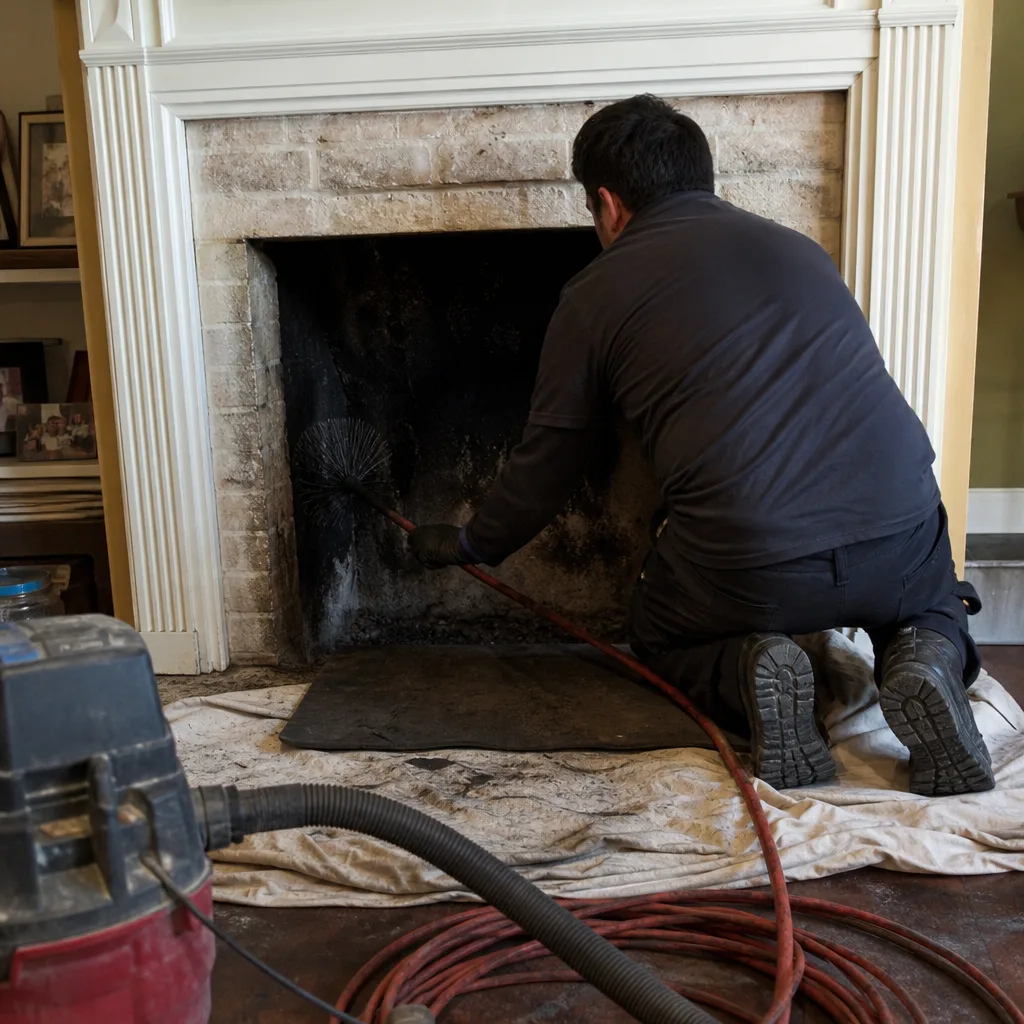 Before
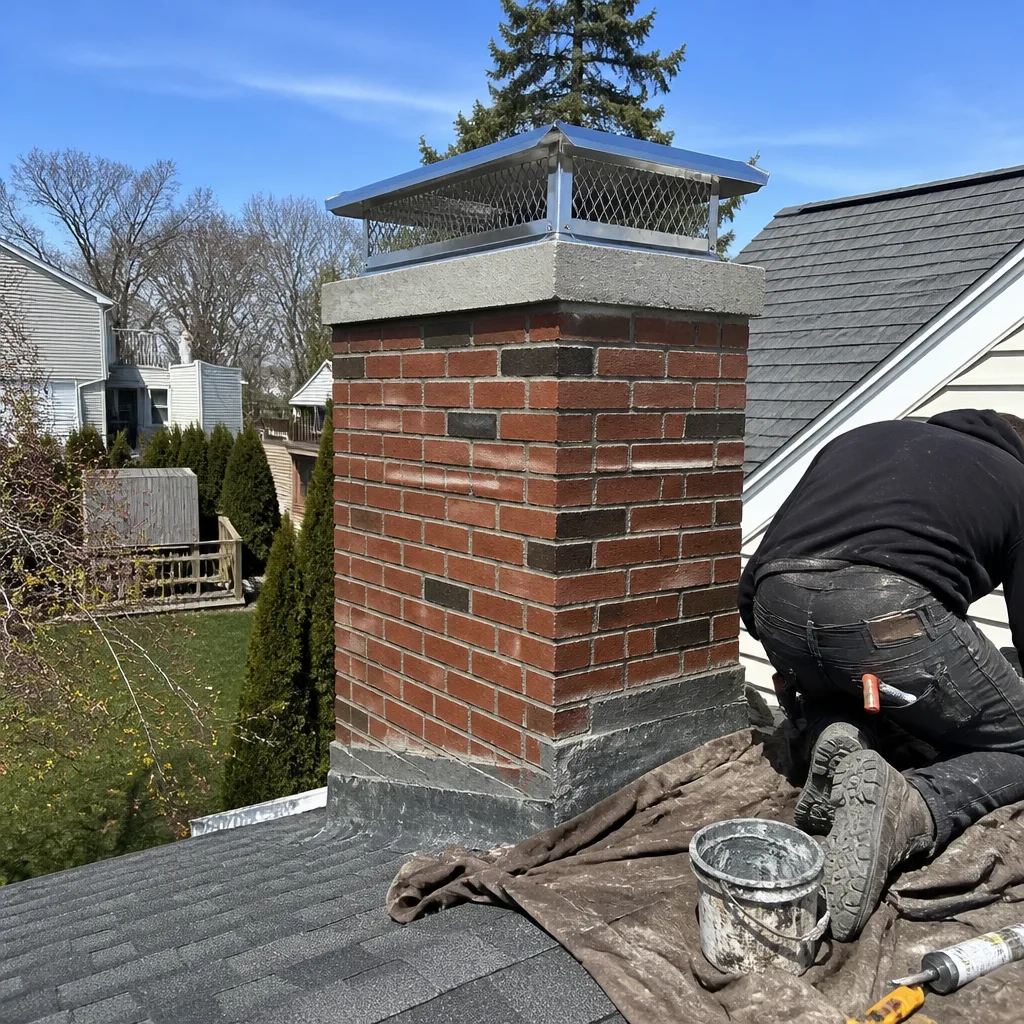 After
After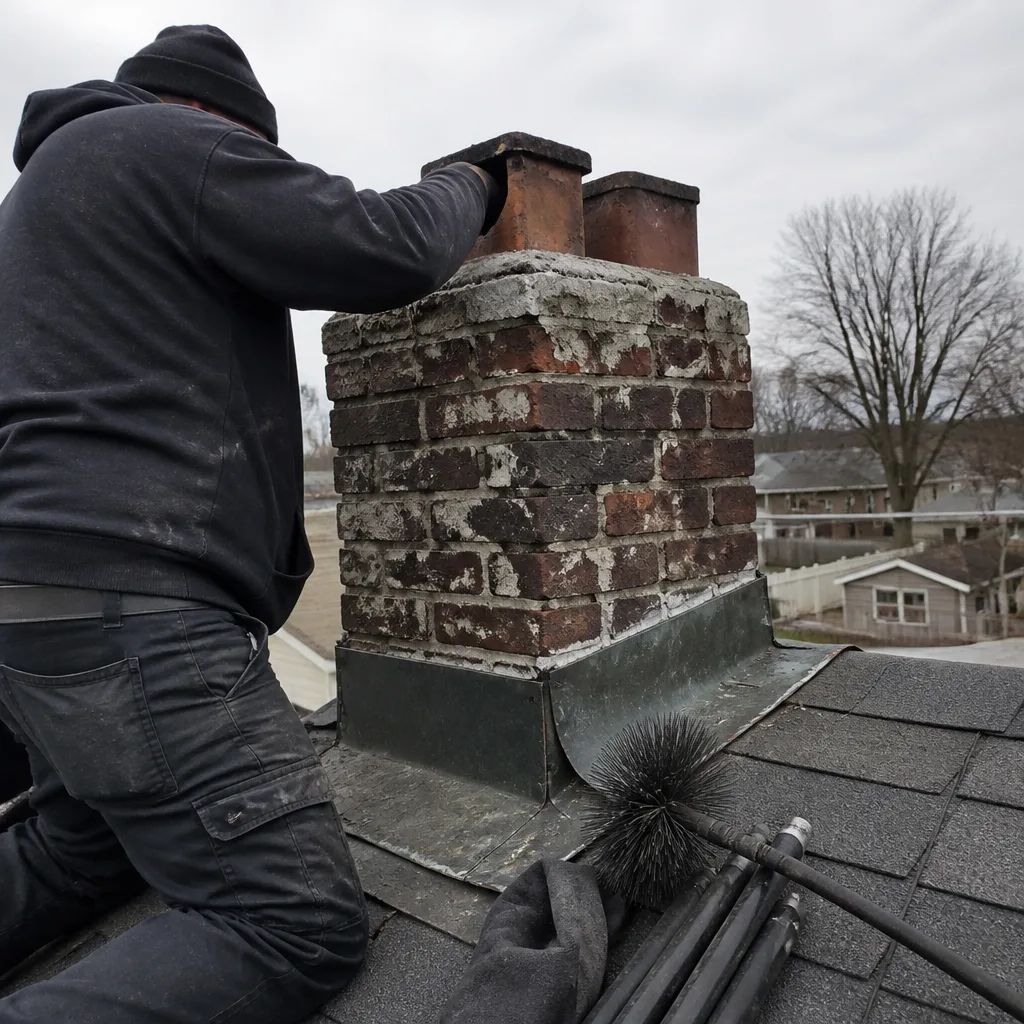 Before
 After
After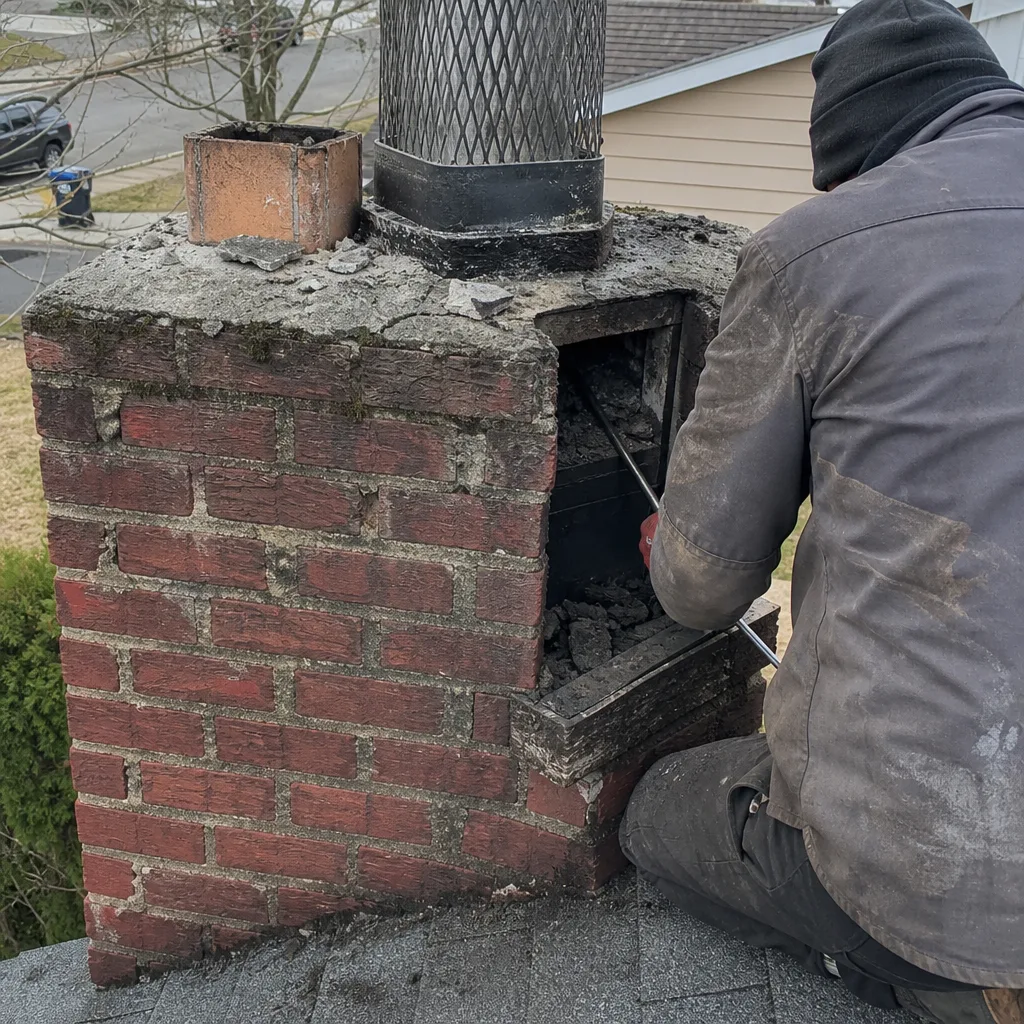 Before
 After
After